
Why social media integrity matters more than hype
When you look at a new coin or token, the project’s Twitter, Telegram, Discord and Reddit are usually the first touchpoints. That’s exactly why they’re also the easiest place to fake traction. A practical crypto due diligence checklist must include a hard look at how a team communicates, who engages with them and whether conversations look organic. Think of social channels as the project’s public audit trail: if it’s full of bots, recycled memes and vague promises, that’s often a cleaner signal than any glossy whitepaper.
Necessary tools for social media sanity-checks
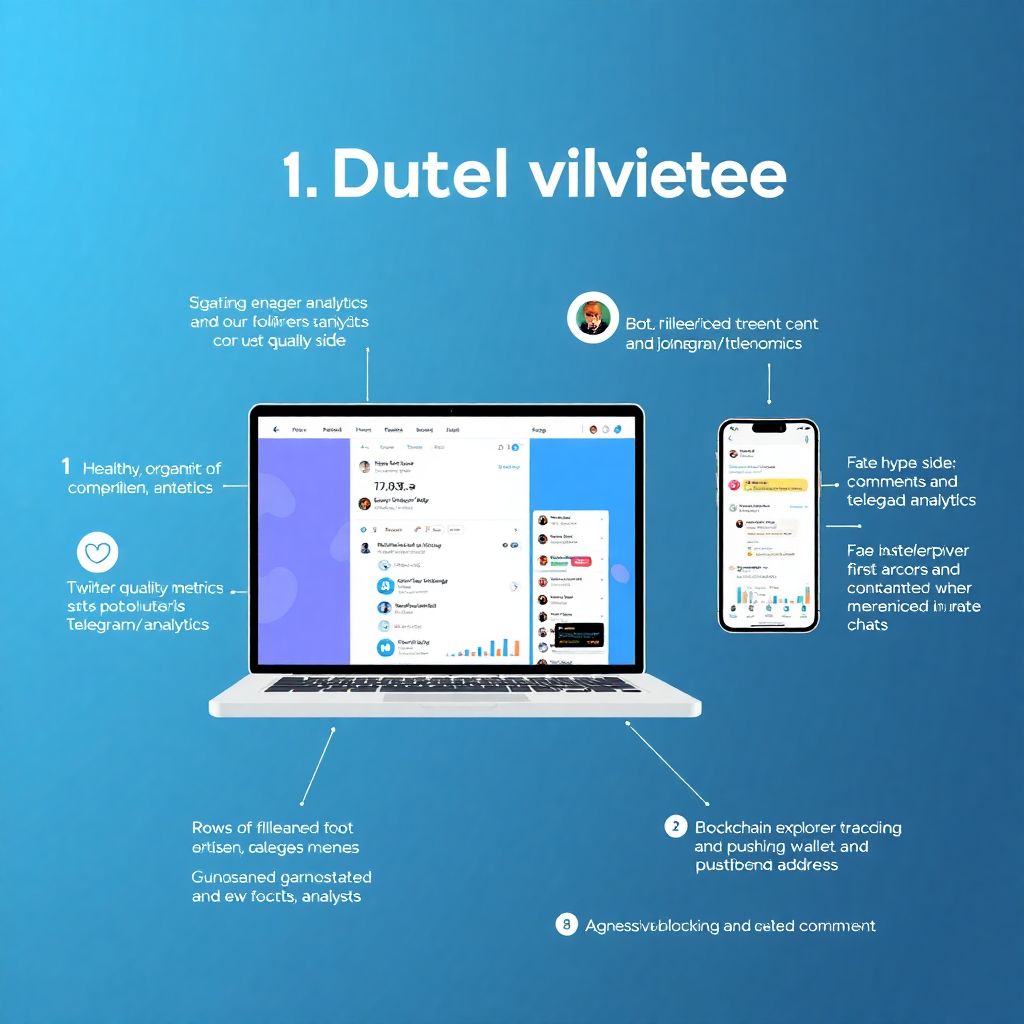
You don’t need enterprise-grade software to run meaningful checks, but having a toolkit helps. Start with basic analytics: native Twitter (X) insights, Telegram member stats and Discord server insights. Then add general-purpose OSINT and the best crypto research tools for investors, like social blade–style trackers, sentiment dashboards and on‑chain explorers that map wallets promoted on social channels. Browser extensions for bot detection and fake follower audits are handy. Together they give you a multi-angle view: audience quality, posting behaviour and correlation between announcements and on‑chain activity.
Core utilities you should bookmark
To keep things practical, lock in a small stack and actually use it instead of hoarding links. At minimum, you want:
– A follower quality scanner to flag suspicious spikes and bot-like accounts
– A Telegram/Discord analytics tool for join/leave events and message volume
– A block explorer to trace addresses posted in chats or pinned messages
That’s enough to cover how to evaluate crypto projects before investing at the basic social level. Later you can layer on more advanced data feeds if you’re managing bigger positions.
Step-by-step process: from first glance to deep dive
Start with pattern recognition. Scroll through the last 30–50 posts on the main X account. Check cadence: is posting erratic, or strangely perfect (exactly every hour)? Look for recycled graphics, overuse of generic “big partnership coming” teasers and a total absence of negative or critical replies. Then open the replies and quote tweets. If almost every responder has a random handle, zero real content, and shills dozens of unrelated coins, you’re likely staring at manufactured engagement rather than a genuine community.
Engagement quality over vanity metrics
Ignore follower counts at first and focus on ratios. Healthy accounts show variable engagement: some posts flop, some do well, some spark arguments. In contrast, fake setups have eerily uniform likes and comments across posts, because engagement pods and bots run on fixed quotas. A good crypto scam detection guide always pushes you to sample individual profiles interacting with the project. Manually open ten accounts from a recent tweet: if they tweet in multiple languages, shill NFT mints 24/7 and never discuss real tech, treat the “community” as largely synthetic.
Cross-checking channels and narratives
Legit teams keep narratives consistent across platforms. Roadmaps, tokenomics, launch dates and audits posted on X should match what’s pinned on Telegram and Discord. If the Telegram admin promises “guaranteed 10x” while the website stays vague and the whitepaper avoids specifics, that mismatch is your warning light. This is a subtle but powerful trick in any how to spot fake crypto projects on social media workflow. Consistency isn’t proof of honesty, but inconsistency almost always signals either chaos, internal misalignment or deliberate deception.
Red flags you can spot in under 10 minutes
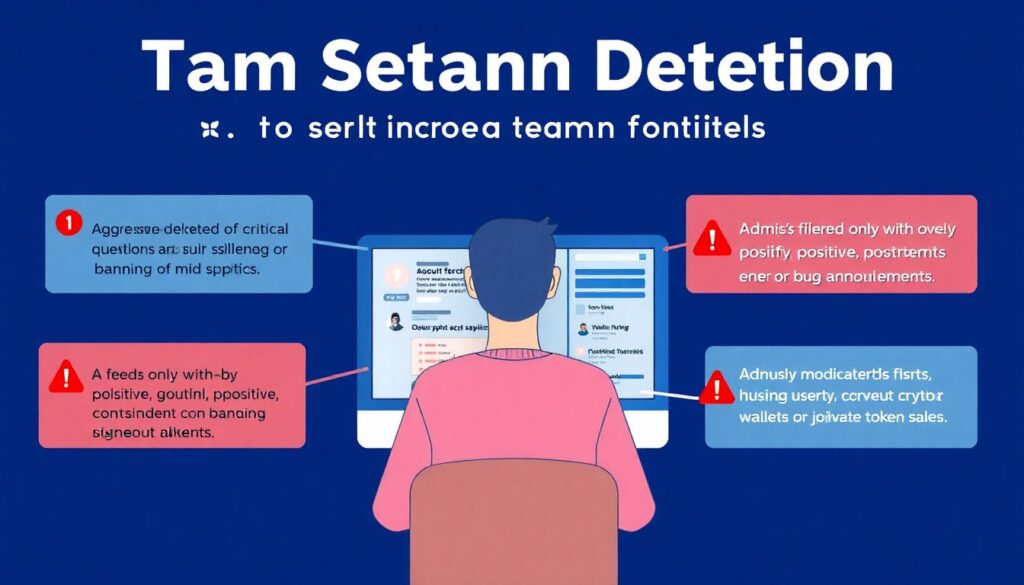
When you’re time‑boxed, you can still run a fast triage. Watch for:
– Aggressive deletion of critical questions or blocking of mild skeptics
– Only “good news” posts, with no technical post‑mortems or bug acknowledgements
– Admins DMing first, pushing you to connect wallets or join private sales
Combine these with weird follower ratios and you already have enough to walk away. Treat this quick scan as the lightweight version of how to evaluate crypto projects before investing your time, not just your money.
Building your own social-focused crypto due diligence checklist
You can turn all this into a repeatable routine. Draft a simple worksheet with sections: “Channel inventory”, “Engagement audit”, “Team presence”, “Risk notes”. Each time you assess a new token, run exactly the same checks and log results. Over time you’ll see patterns: certain scam templates reuse identical social media structures. This habit transforms vague gut feelings into a structured process and makes your how to evaluate crypto projects before investing approach far more objective and less driven by FOMO or hype cycles.
Troubleshooting ambiguous signals and edge cases
Sometimes a project fails several tests but doesn’t look outright malicious. Small teams can have clumsy marketing, dead chats or badly moderated groups without being scams. When signals conflict, slow down instead of forcing a binary decision. Extend your window: observe the channels for a week. Does the team handle minor crises transparently? Do they publish clarifications after confusion? In doubt, size your exposure accordingly. Treat unclear social media integrity as a risk premium: only engage with micro stakes, if at all, while monitoring how communication quality evolves.
Applying the guide in real investing decisions
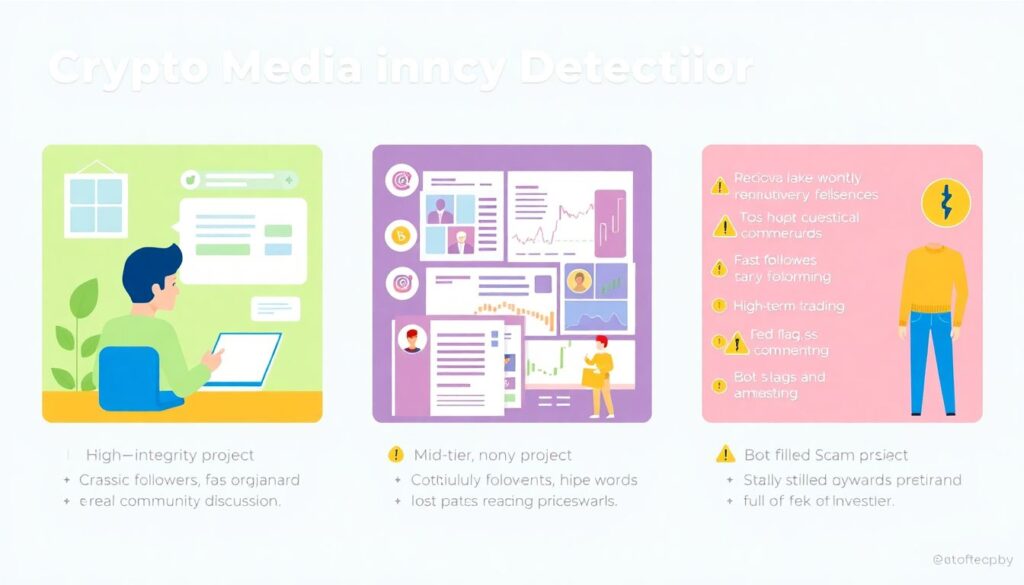
To really benefit from this crypto scam detection guide, tie your social media verdict to actual actions. For high‑integrity projects, you might join early, ask technical questions and contribute feedback. For mid‑tier, noisy ones, you might only trade short‑term volatility. For those full of bots, contradictions and pressure tactics, the play is simple: blacklist and move on. Combine social checks with fundamentals, tokenomics and on‑chain data to form a holistic view, using the best crypto research tools for investors as your backbone.