
Category: Beginners’ Guide
-
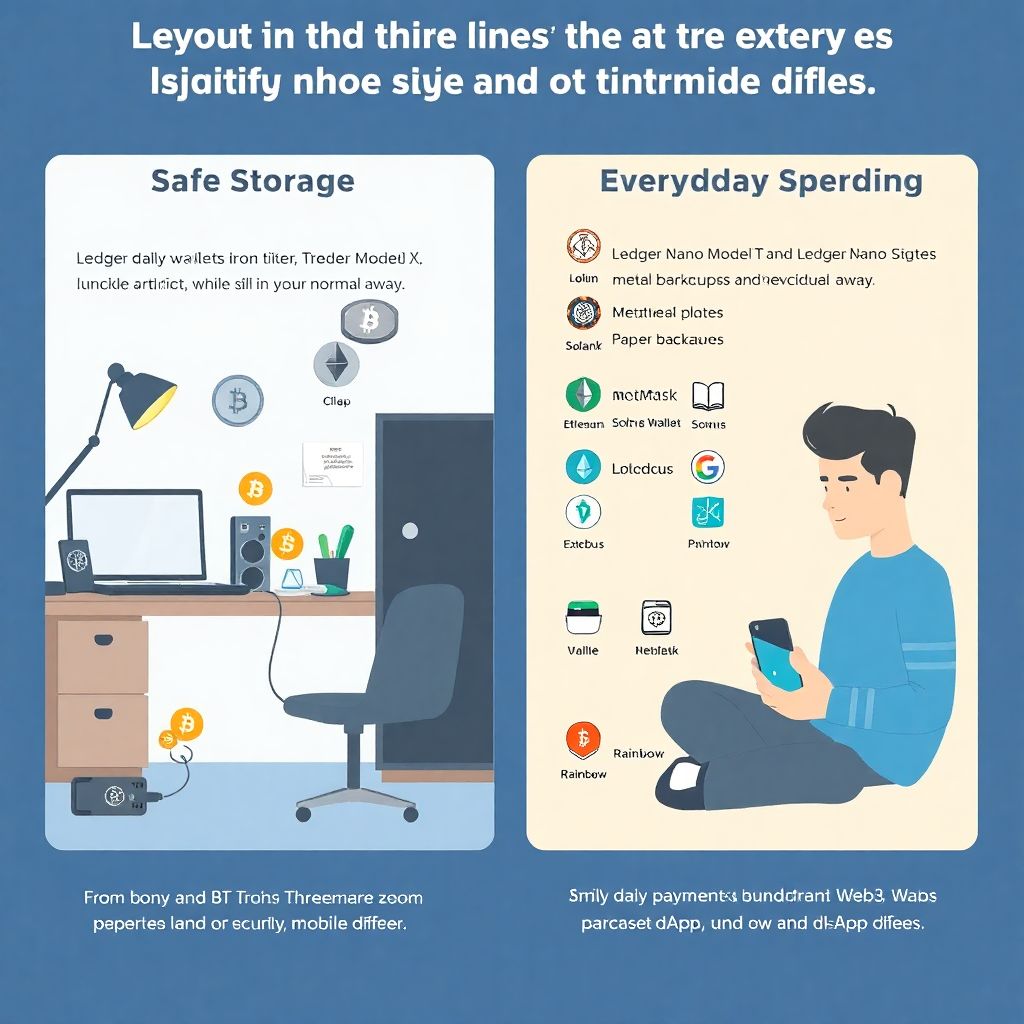
Top 10 crypto wallets compared for everyday users: security, fees and usability
Why everyday users need to think like security engineers (but live like normal people) Большинство людей хотят простого: хранить крипту так, чтобы её не украли, не сгореть на комиссиях и не утонуть в настройках. Звучит очевидно, но у кошельков свой характер: одни безопаснее сейфа, но неудобны, другие — как мобильный банк, но с нюансами. Ниже…
-
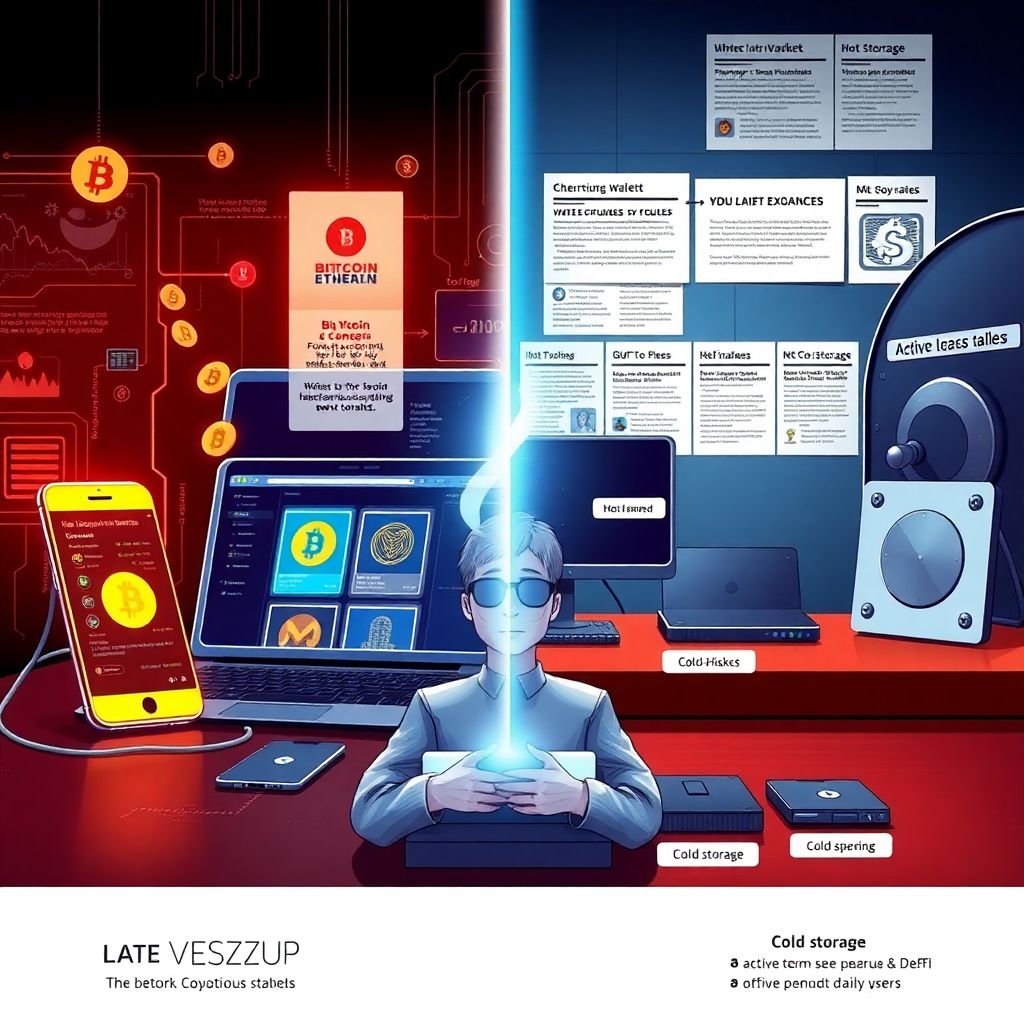
Cold vs hot wallets in 2025: which crypto storage is safest for your assets
Cold vs Hot Wallets in 2025: Why This Question Still Matters Вy 2025, crypto isn’t just about speculative trading anymore. People hold BTC, ETH, stablecoins and even tokenized stocks for years, treat NFTs as capital and use DeFi almost как онлайн‑банкинг. Поэтому вопрос “cold wallet vs hot wallet for bitcoin and ethereum” стал не теорией…
-
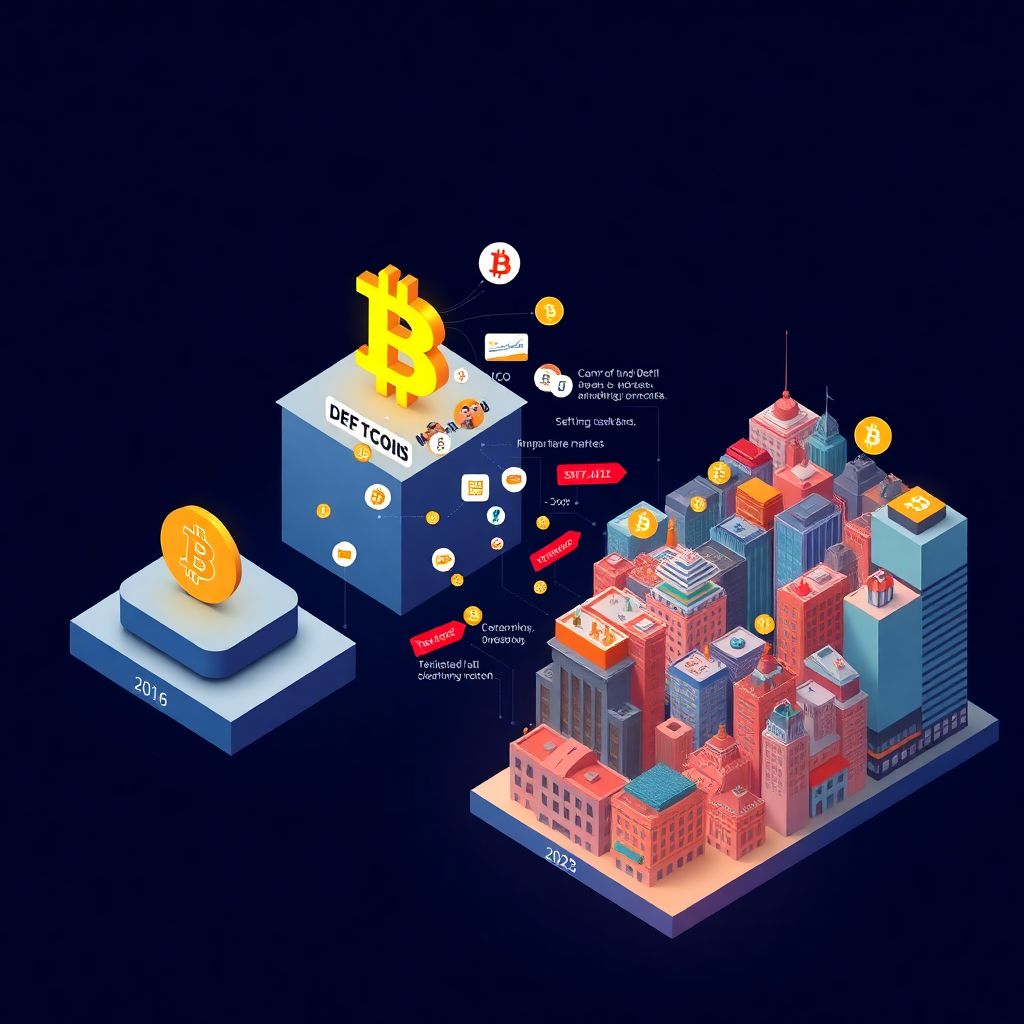
How to build a future-proof crypto portfolio with coins, nfts and real assets
Most people who got wrecked in crypto didn’t lose money because Bitcoin “died” or NFTs “went to zero”. They lost потому что ставили всё на одну тему — ICO в 2017, DeFi в 2020, метавселенные в 2021, алгоритмические стейблкоины в 2022. В 2025 году рынок стал взрослее: токены, NFT, токенизированные облигации, стейкинг, DeFi‑страхование, реальные активы…
-

Weekly crypto roundup: key market moves, regulation and tech breakthroughs
The crypto space moves so fast that a single week can feel like a full market cycle. A good *weekly crypto roundup* is less about chasing every headline and more about spotting the quiet shifts that turn into the next big wave. Below — в аналитичном, но разговорном стиле — разберём ключевые рыночные движения, регуляторные…
-
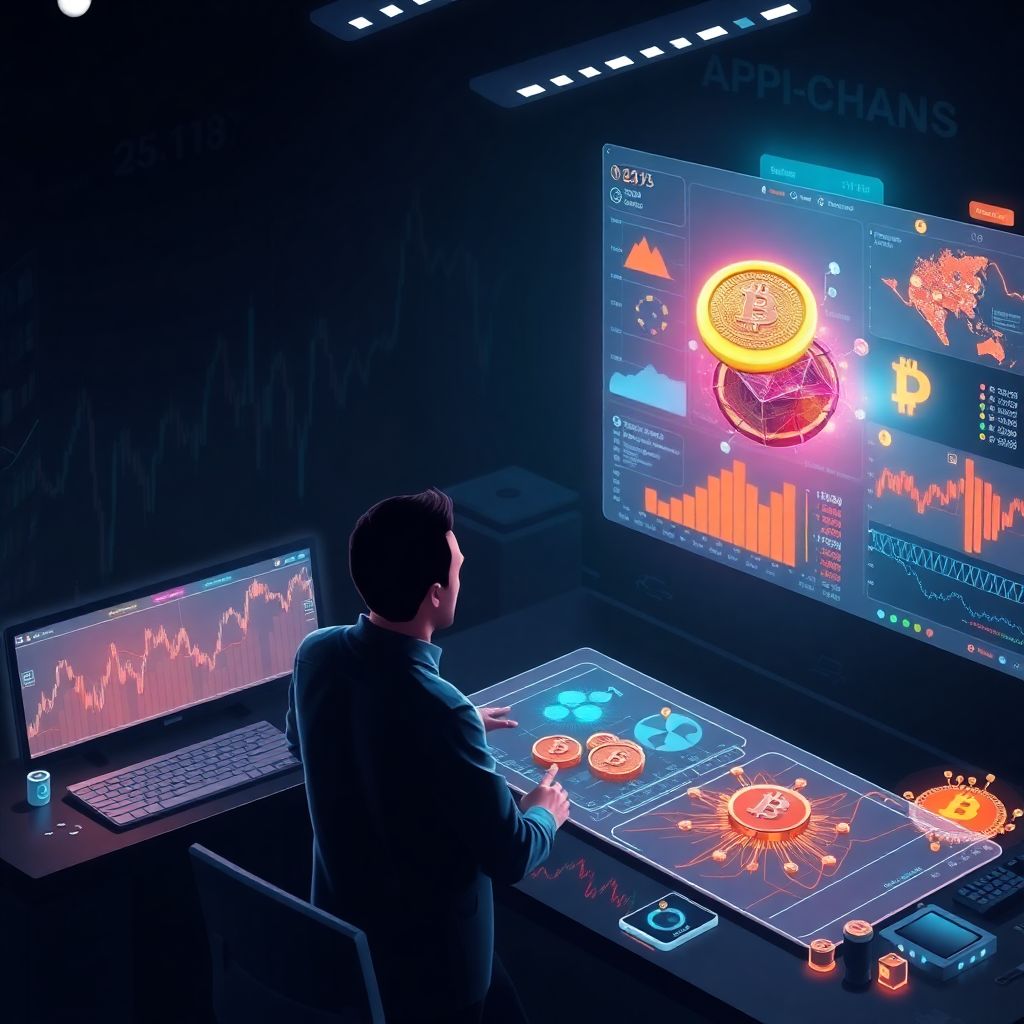
On-chain data and analytics tools to improve your crypto trading decisions
Why On-Chain Data Beats Pure “Chart Trading” If you trade только по графикам, вы каждый день видите лишь тени реальных событий. Классический теханализ показывает цену и объём, но скрывает главное — что именно делают реальные кошельки, фонды, биржи и «киты». On‑chain data вынимает эту информацию прямо из блокчейна: кто покупает, кто распределяет токены по адресам,…
-
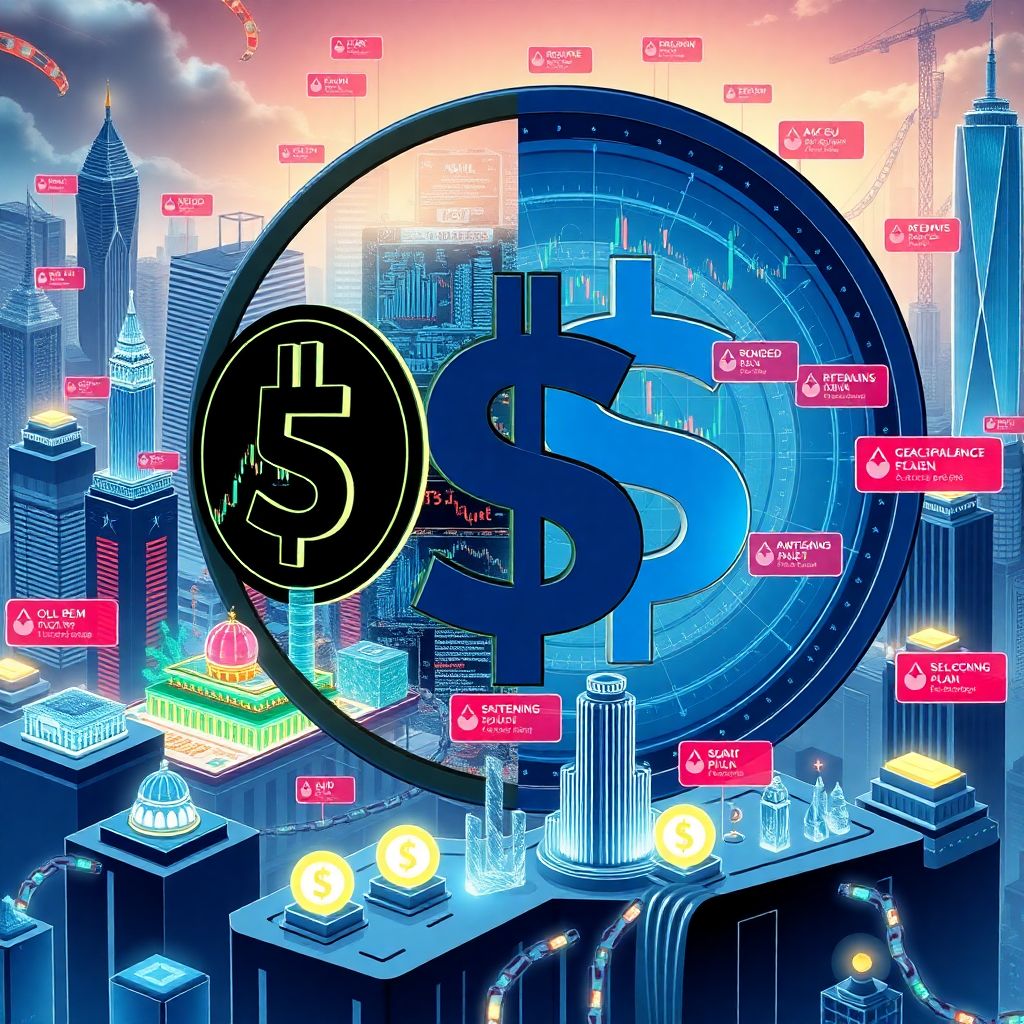
Stablecoins under the microscope: how stable and safe are they really
Why Stablecoins Are Back Under the Microscope in 2025 Stablecoins уже давно воспринимались как «кэш крипторынка», но к 2025 году стало очевидно: их стабильность — не аксиома, а набор допущений и юридических конструкций. После череды регуляторных разборок в США и ЕС, делистингов отдельных токенов с крупных бирж и ужесточения требований к резервам, пользователи всё чаще…
-
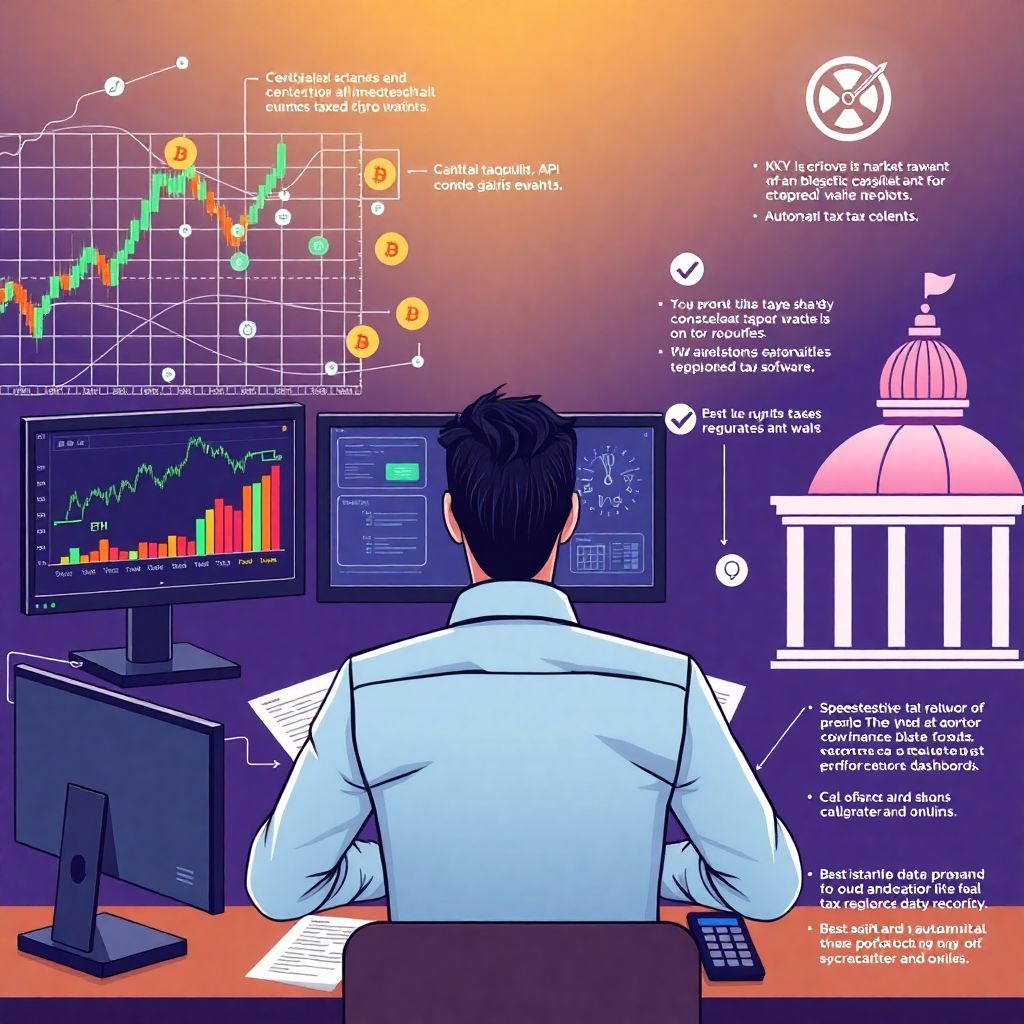
Navigating taxes on crypto for traders and long‑term investors explained
Why Crypto Taxes Matter More Than You Think Тhe reality is simple: if you trade or hold crypto in most developed countries, the tax office already treats you like a regular investor, not как someone playing with internet tokens. Regulators in the US, EU и других регионах за последние пять лет резко усилили контроль, и…
-
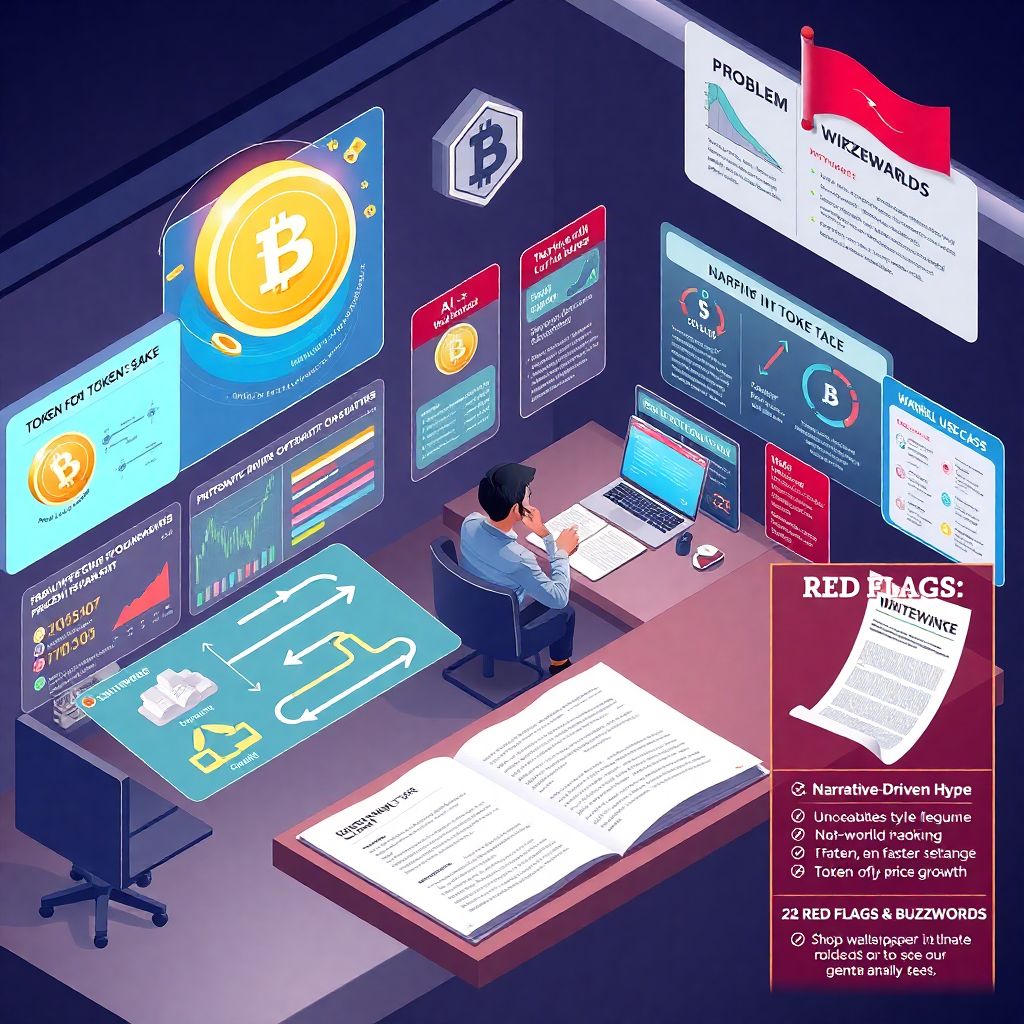
How to conduct fundamental analysis on digital assets before investing
Why Fundamental Analysis Still Matters in Crypto Before you throw money at the next shiny token, it’s worth slowing down and treating digital assets как обычный бизнес, just with different plumbing. Fundamental analysis of cryptocurrencies is about one thing: separating projects with real users, revenue and defensible advantages from narrative-driven hype. In 2017, a lot…
-
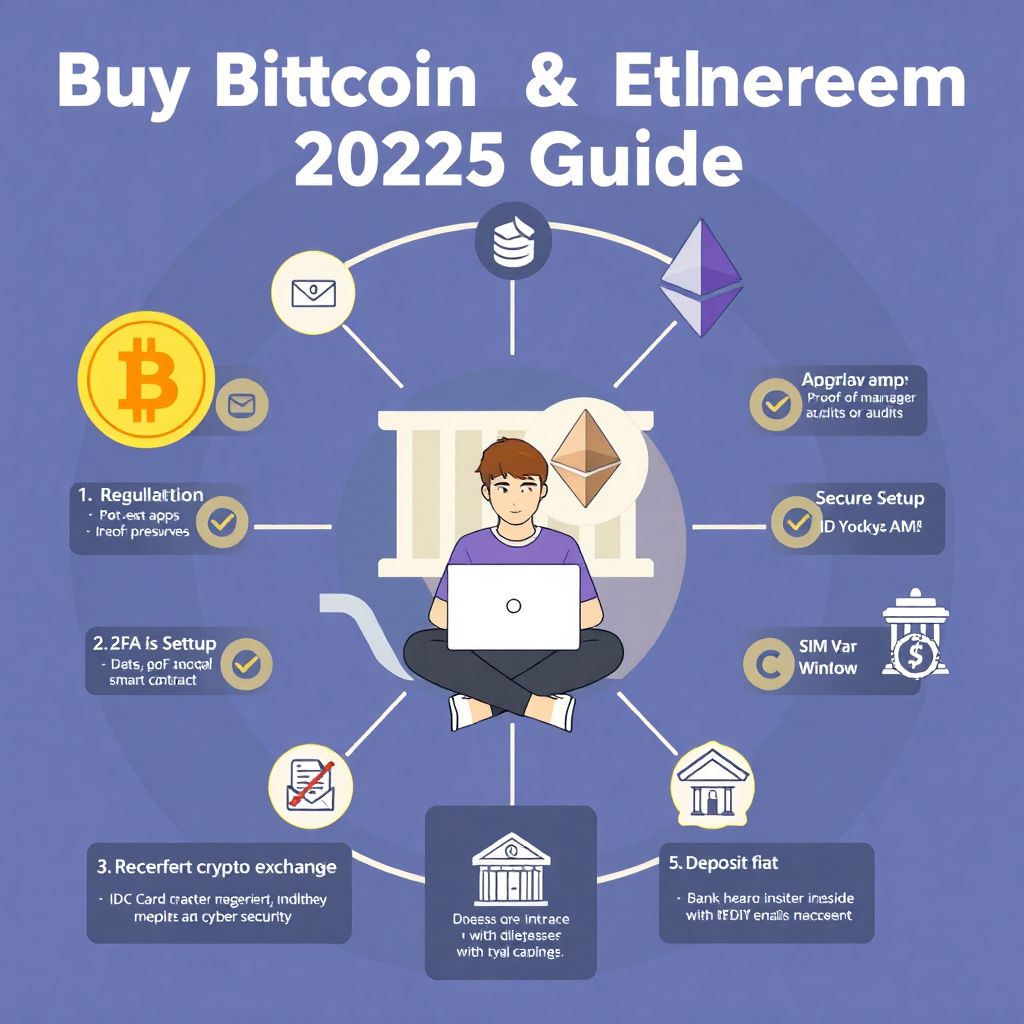
Step-by-step guide to safely buy your first bitcoin or ethereum in 2025
Why a 2025 Guide Is Different from 2017 Hype and 2021 Mania If you’re thinking about buying your first Bitcoin or Ethereum in 2025, you’re stepping на рынок, который уже не напоминает дикий запад 2017 года. За последние три года произошло несколько фундаментальных сдвигов: – С конца 2021 по конец 2024 совокупная рыночная капитализация крипторынка…
-

Privacy on decentralized exchanges: a practical guide to staying safe online
Why privacy on DEXs is not “paranoia”, but basic digital hygiene When people move from centralized exchanges to DeFi, they often expect automatic anonymity: нет KYC, нет проблем. На практике всё сложнее. Любая операция в блокчейне прозрачна, кошельки легко связать по паттернам, а ошибки в настройке устройства выдают личность быстрее, чем кажется. Чтобы действительно приблизиться…