
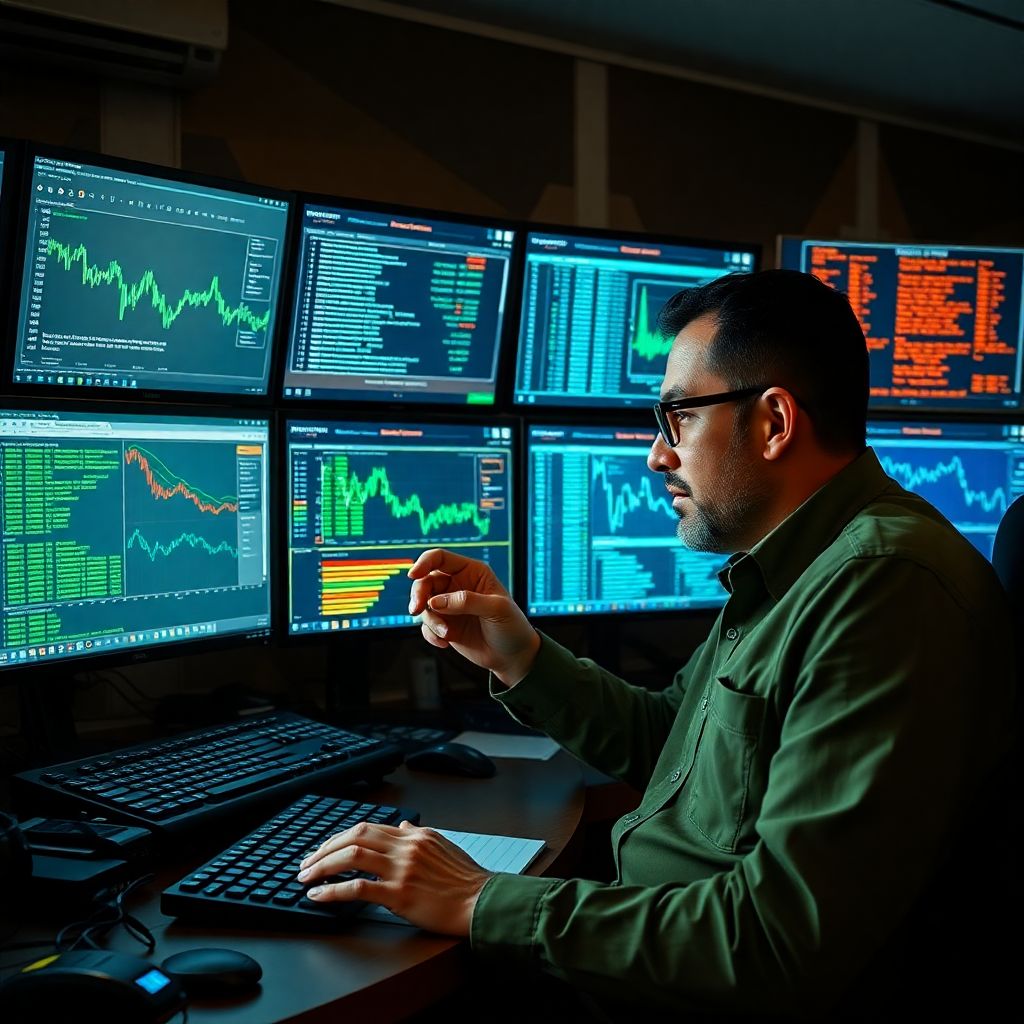
To stay safe from rug pulls and scams, treat every crypto position like a high‑risk experiment: slow down, verify people and contracts, separate wallets by risk, and pre‑plan your exit. Use a crypto investment due diligence checklist, simple on‑chain checks, and conservative wallet hygiene before sending any funds or signing approvals.
Security Snapshot: Core Actions Before You Invest
- Use at least two independent sources to verify team identities, code audits, and project history.
- Read the token contract on a block explorer and confirm ownership, minting, and trading restrictions.
- Split your funds: cold storage for savings, hot wallets for experiments, burners for new contracts.
- Start with tiny test transactions and revoke approvals you do not recognize or no longer need.
- Set concrete exit rules: profit targets, maximum loss, and objective red flags that trigger selling.
- Turn on alerts for price, liquidity, and contract changes through the best crypto security tools for investors you are comfortable using.
Pre-Investment Due Diligence: Verifying Teams, Roadmaps and Reputation

This section is for anyone who buys tokens directly, provides liquidity, uses DeFi protocols, or mints NFTs. It matters most when you cannot afford to lose the entire amount: the higher the stake, the more thorough your crypto investment due diligence checklist should be.
Skip or minimize this process only when:
- You are experimenting with very small amounts you are fully prepared to lose.
- The project is clearly labeled a meme or gamble and you treat it as entertainment, not investment.
- You interact only through a trusted large exchange and do not hold the token for long.
People and identity checks
- Search the founders and core team by name on professional networks and older web archives. Look for consistent history, not just fresh social profiles created shortly before launch.
- Confirm whether the team is doxxed (real names, companies) and if there are legal entities behind the project.
- Check if they have shipped anything before: previous protocols, open‑source repos, or well‑documented products.
Reputation and community sanity checks
- Review project channels (Discord, Telegram, X). Healthy communities allow criticism; pure hype and censorship are red flags.
- Search for independent reviews and threads calling out issues, not just influencer promotions or paid posts.
- Look for patterns of copy‑paste marketing, fake engagement, or bots amplifying identical messages.
Roadmap, documentation, and transparency
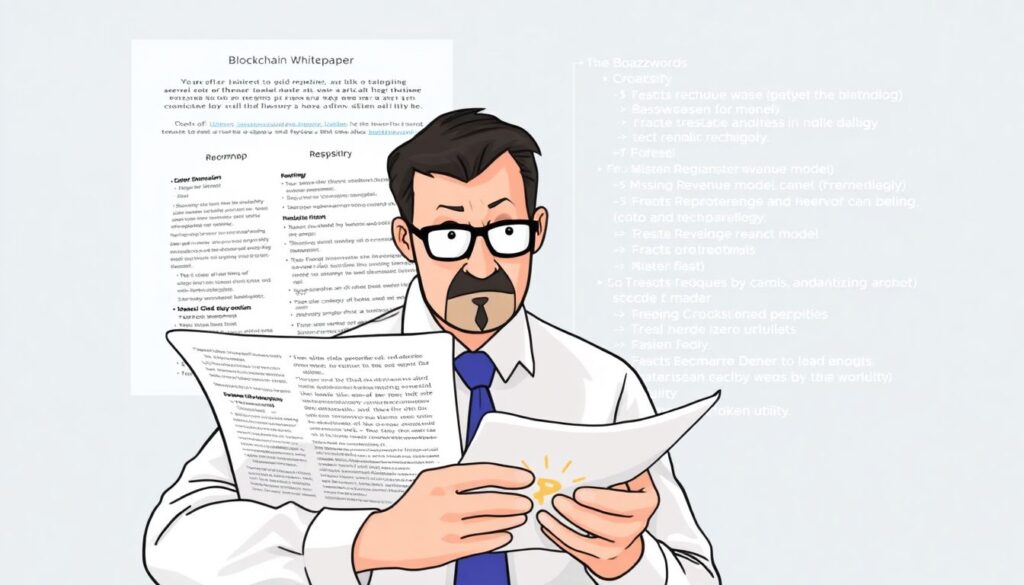
- Read the docs or whitepaper with a skeptical eye: does it explain mechanics clearly, or hide behind buzzwords?
- Check the roadmap for realistic milestones and evidence of progress (Git commits, testnet releases, updated docs).
- Note what is not said: unclear revenue models, vague token utility, or no explanation of where funds go.
Tokenomics & Contract Analysis: Detecting Rug-Pull Indicators
You do not need to be a Solidity engineer to run basic safety checks that drastically reduce rug risk. To apply them, you will need a few common tools and access points.
Basic requirements and tools
- A block explorer (for example, Etherscan, BscScan, or the chain’s main explorer).
- A contract analysis panel (most explorers have tabs for contract, holders, and read/write functions).
- Optional: simple crypto scam protection services or scanners that flag common hazards such as honeypots and suspicious owner privileges.
Core checks on tokenomics
- Supply distribution – Inspect top holders. If a few wallets control most of the supply or liquidity, they can crash the price instantly.
- Liquidity status – Confirm there is meaningful liquidity and whether LP tokens are locked or burned; fully unlockable liquidity is a classic rug vector.
- Emission and minting – Check if the owner can mint more tokens at will or change fees to extreme values.
- Taxes and fees – Identify buy/sell taxes; very high or modifiable taxes can trap you or drain value aggressively.
Smart contract red-flag scan
- Owner can pause trading or blacklist addresses without checks and balances.
- Functions that let the owner withdraw all liquidity or tokens from user addresses.
- No verified source code on the explorer, or a contract that has just been upgraded with no explanation.
- Contract copied from a known scam or suspicious template with only names changed.
If any of these appear and you are not highly technical, treat the project as unsafe by default rather than assuming it is harmless.
Wallet Hygiene: Managing Keys, Approvals and Multisig Safely
Before diving into a step‑by‑step workflow, prepare your environment. This preparation keeps damage contained even if one investment turns out to be a scam or rug pull.
- Decide how much you can genuinely afford to lose in high‑risk contracts.
- Set up separate wallets for savings, trading, and experiments.
- Enable hardware protection for long‑term holdings and large balances.
- Install at least one approval‑revoking tool you know how to use.
- Back up seed phrases and passwords offline in at least two secure locations.
Use the following step sequence as a practical crypto wallet security checklist whenever you interact with new protocols, NFTs, or freshly launched tokens.
-
Separate wallets by risk level
Keep long‑term holdings in a cold or hardware wallet and use a distinct hot wallet solely for DeFi, airdrops, and experiments.
- Low‑risk: savings wallet, rarely connected to dApps.
- Medium‑risk: trading wallet, used on reputable exchanges and blue‑chip protocols.
- High‑risk: burner wallet for new contracts, airdrops, and unproven projects.
-
Harden key management
Never type your seed phrase into websites, screenshots, or cloud notes. Use hardware wallets where possible, and protect recovery phrases with offline, redundant backups.
- Store backups on paper or metal, not in plain text files.
- Keep them in physically separate, trusted locations.
-
Minimize and monitor approvals
Before using a dApp, understand what approvals it requests. Avoid granting unlimited token spend unless absolutely needed, especially on new or unaudited protocols.
- Prefer approvals limited to the exact amount you plan to use.
- Regularly visit an approval manager to revoke old or suspicious allowances.
-
Use multisig for shared or large funds
For team treasuries, DAOs, or significant personal holdings, use a multisig wallet with clear signing rules.
- Require at least two independent devices or people to approve transactions.
- Keep one signer in secure cold storage so a single device compromise is not catastrophic.
-
Test with tiny transactions first
When interacting with a new contract, start with a small amount you are fully prepared to lose, even if fees feel inefficient.
- Verify that swaps, deposits, and withdrawals behave as expected before scaling position size.
- Confirm you can exit (sell or withdraw) before committing more capital.
-
Lock down your devices and browsers
Use separate browser profiles for crypto, avoid installing random extensions, and keep operating systems updated.
- Disable auto‑open of downloaded files and never run unknown executables from airdrops.
- Consider a dedicated device for large transactions only.
Safer Smart Contract Interactions: Gas, Approvals and Read-Only Checks
Use this checklist before and after each new smart contract interaction to reduce your odds of being trapped in a rug pull or exploit.
- Confirm the contract address from at least two independent sources, such as the official site and a verified social account.
- Check the contract on the explorer: verified source code, contract age, and transaction history that is not just from bots.
- Use read‑only contract calls (or dApp simulation tools) to inspect balances, owner address, and key parameters before sending value.
- Examine the first transaction you sign: gas usage, function name, and contract address should match the dApp’s description.
- Avoid signing blind signatures or messages you do not understand; cancel if the wallet popup seems different from past experiences.
- Limit token approvals to the minimum practical amount and avoid granting permissions for tokens the dApp does not need.
- Pause if gas seems abnormally high or low compared to similar transactions; this can indicate unusual contract behavior.
- After interacting, verify on the explorer that the on‑chain result matches what the UI promised (received tokens, positions, or NFTs).
- If anything looks off, stop further interactions and consider revoking approvals immediately.
Active Monitoring & Exit Planning: Alarms, Liquidity Checks and Timelines
Rug pulls often happen quickly, but most give at least a small window of warning. Avoid these common mistakes to improve your chances of getting out in time.
- Entering without a plan for selling or exiting, relying purely on vibes or community sentiment.
- Ignoring liquidity: not checking if you can realistically sell your position without causing a huge price impact.
- Leaving all holdings in a single risky pool or token without diversifying or using tranches.
- Failing to set basic alerts for price crashes, volume spikes, or liquidity withdrawals.
- Trusting manual monitoring alone instead of combining it with automated tools and on‑chain notifications.
- Doubling down during early warning signs (devs going silent, sudden contract changes) rather than scaling out.
- Over‑relying on anonymous admins for information, instead of confirming changes on‑chain or via multiple channels.
- Not rehearsing your exit steps: which wallet, which route, and which stable asset you will move into if things go wrong.
Incident Response: Steps to Take if a Scam or Rug Pull Occurs
Once you suspect you were caught in a scam or rug pull, fast, calm action matters more than anything else. Different approaches fit different risk appetites and loss sizes.
Contain the damage with immediate on‑chain actions
This option fits most cases and should be your default reaction.
- Disconnect your wallet from suspicious sites and revoke approvals for affected tokens or contracts as soon as possible.
- Move any remaining funds from exposed wallets to fresh, secure wallets under your control.
- Stop interacting with the contract, even if the dApp interface claims you can still recover funds.
Escalate with reporting and intelligence gathering
Use this path when meaningful funds are involved or multiple victims are affected.
- Document everything: transaction hashes, addresses, screenshots, and timelines.
- Report to major platforms, analytics providers, and, where applicable, local authorities or cybercrime units.
- Share verified information in community channels to warn others, but avoid doxxing or unverified accusations.
Engage third‑party monitoring or recovery options
Consider this when losses are large and you have clear on‑chain traces.
- Some crypto scam protection services and forensic firms can track stolen assets and, in rare cases, assist exchanges in freezing funds.
- Legal counsel or specialist investigators may be appropriate if the attackers are tied to identifiable entities or jurisdictions.
Adjust your future security model
Apply this option in all cases, regardless of loss size.
- Review which of your defenses failed: due diligence, contract checks, or wallet hygiene.
- Update your personal playbook, tools, and limits, and reconsider how to avoid rug pulls in crypto going forward.
- Adopt new safeguards, such as additional multisig controls or more conservative position sizing in unvetted protocols.
Practical Concerns Investors Ask Most Often
What is the single most important habit to avoid rug pulls?
The most important habit is to slow down before committing size: verify teams and contracts with a basic checklist, start with tiny test positions, and only scale once you have confirmed you can safely exit. Rushing large entries into new tokens is where most damage happens.
How do I choose the best crypto security tools for investors like me?
List your main activities (trading, DeFi, NFTs) and pick tools that directly support them: a reputable wallet, an approval manager, an on‑chain explorer, and at least one alert or analytics service. Favor tools with transparent teams, clear documentation, and a track record of timely updates.
Are hardware wallets enough to protect me from scams and rug pulls?
Hardware wallets mainly protect against key theft and device compromise. They do not protect you from signing malicious transactions you approve yourself. You still need due diligence, contract checks, and careful approvals on top of hardware protection.
Can I safely ape into new projects if I use burner wallets?
Burner wallets limit damage to other funds, but they do not prevent you from losing everything in that wallet. If you choose to ape, cap your exposure, treat it as entertainment, and never transfer more than you can comfortably lose without affecting your finances.
What should I check first when a project I use starts acting suspicious?
Immediately review the token’s liquidity and recent contract interactions on a block explorer. If you see rapidly drained liquidity, ownership transfers, or large insider dumps, prioritize exiting and revoking approvals over waiting for official explanations.
Do paid crypto scam protection services guarantee I won’t get rugged?
No service can offer guarantees. These services can improve detection and monitoring, but attackers constantly adapt. Treat them as extra layers on top of your own discipline, not as a replacement for personal checks and conservative risk management.
How often should I run a full crypto wallet security checklist?
Run a light version weekly if you are active, and a deeper review at least every few months or after using new protocols. Key moments include before large deposits, after market stress events, and after any incident or close call.