
Hidden risks that most people ignore
A quick historical detour: from hobby forums to billion‑dollar honeypots

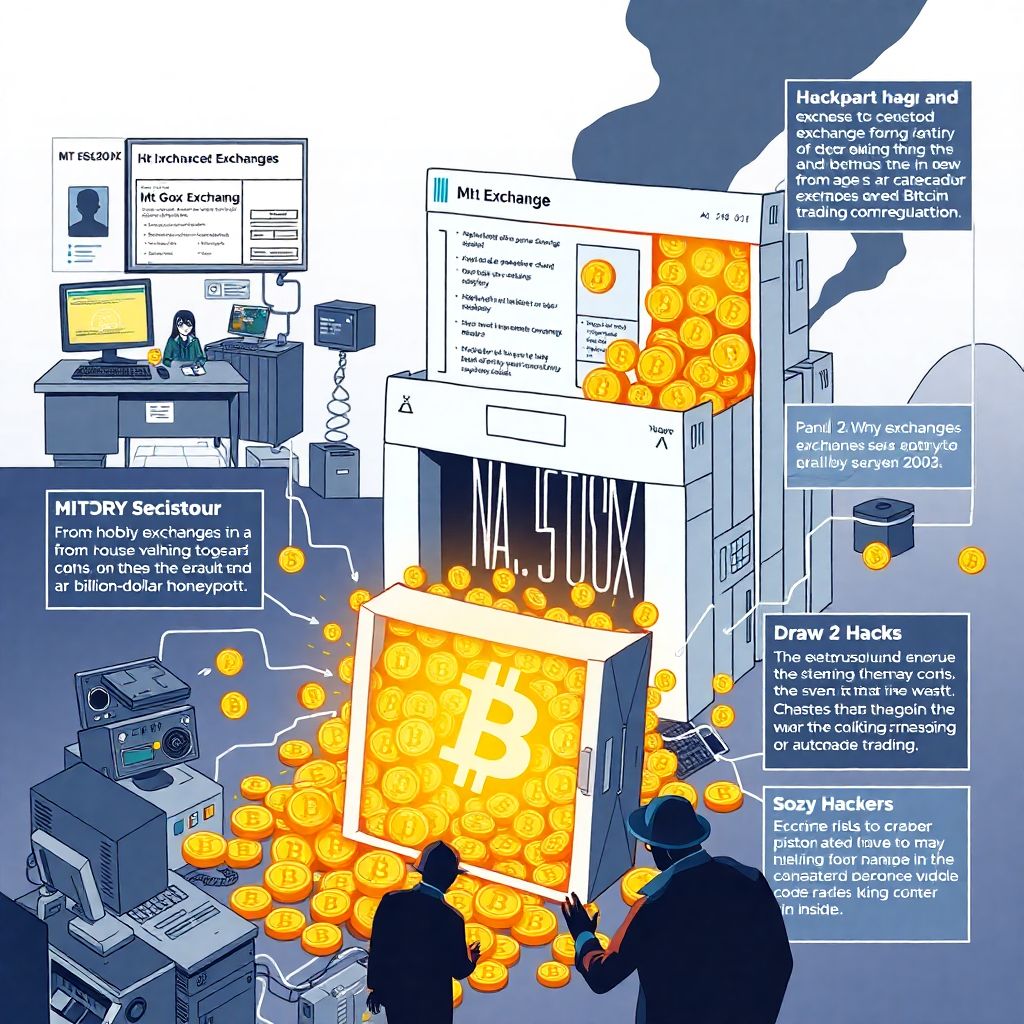
Early crypto exchanges looked more like side projects than financial infrastructure. In the beginning, trading happened on forums and through clumsy escrow services: you sent coins to a stranger and hoped they were honest. Then came the first centralized exchanges, often run by one or two enthusiasts with almost no formal security processes. Mt. Gox, the infamous example, started as a site for trading game cards, not money, yet at one point it handled the majority of Bitcoin trades. It collapsed after massive hacks and mismanagement, and thousands of users discovered the hard way that “coins on exchange” really meant “IOUs from a badly run website,” not actual money in a vault.
Many people heard about Mt. Gox, shrugged, and assumed “well, things are professional now.”
—
Why exchanges are risky by design, even in 2025
Even the best secure crypto exchange for trading can never be risk‑free, simply because of what an exchange actually is. A centralized platform pools users’ funds into large wallets, automates trading and withdrawal logic with complex code, runs huge databases of user information, and sits under pressure from hackers, insiders and sometimes regulators. That’s a perfect target: steal one private key or exploit one vulnerability, and you can grab a chunk of thousands of users’ assets in one hit. On top of that, the business model creates tension: exchanges earn more when you trade more, leverage more, and leave assets on the platform, which is exactly what increases your exposure. This structural conflict means you should treat every exchange as a temporary bridge, not a long‑term home.
So “trust the exchange, they’re big” is a dangerous mindset.
—
Hidden risks you don’t see on the homepage
The marketing page shows logos, low fees and shiny apps, but hides less pleasant details. One invisible risk: who really controls the keys? If the exchange keeps all user funds in hot wallets for “faster withdrawals,” you’re effectively one bug away from a disaster. Another risk: opaque legal structure. Some platforms are registered in jurisdiction A, run servers in jurisdiction B, keep corporate accounts in C and answer (or don’t) to regulators in D. When something goes wrong, untangling that mess is almost impossible for the average user. There’s also counterparty risk: exchanges sometimes lend out user deposits, use them as collateral, or mix them with company funds. You may never know until a liquidity crunch hits, withdrawals are paused, and a vague blog post appears about “protecting the ecosystem.”
If you only judge by slick UI, you’re seeing about 5% of the story.
—
Basic security principles: what “good enough” actually looks like
To cut through the noise, think in simple layers: custody, operations, and transparency. Custody: most user funds should live in cold storage with strict multi‑sig controls, ideally verifiable by third‑party audits. Operations: robust internal controls, separation of duties, strict withdrawal monitoring, and real‑time security teams rather than a support guy checking emails twice a day. Transparency: clear proof‑of‑reserves reports, public information about licensing, and understandable terms spelling out what happens in bankruptcy. When you evaluate how to choose a crypto exchange with low fees and high security, start from those basics, then look at extras like insurance, bug bounty programs, and whether the team openly discusses past incidents. A secure platform doesn’t pretend bad things never happen; it shows you how it prepares for them and what it learned.
If a platform can’t explain this in plain language, treat that as a red flag.
—
Regulation as a safety net, not a magic shield
Regulation doesn’t make a platform bulletproof, but it narrows the range of worst‑case scenarios. The top regulated crypto exchanges for beginners usually submit to KYC/AML checks, capital requirements, periodic reporting and audits. That means there’s at least some third party watching the books and some legal path for users if things go sideways. It’s not glamorous, and it can feel annoying when you just want to “ape in,” but supervision can be the difference between a messy refund process and a complete black hole. Still, don’t confuse “regulated” with “safe no matter what.” Regulators are often slow, understaffed, and playing catch‑up with technology. Think of regulation as wearing a helmet: it won’t make you immortal, but you’re better off with it than without it when you eventually crash.
Blind faith in licenses is as dangerous as ignoring them completely.
—
Real‑world patterns: how things usually go wrong
If you look past headlines and do a secure bitcoin and crypto trading platforms comparison based on incident history, you’ll notice the same script over and over. First act: rapid growth and aggressive marketing with bonuses, high yields, and leverage. Second act: some combination of risky lending, poor risk management, or outright fraud, usually hidden under “innovative products” and complicated dashboards. Third act: market downturn hits, withdrawals spike, internal holes appear, and suddenly withdrawals are “temporarily paused.” Support goes silent, social media fills with anxious posts, and within weeks the truth surfaces: funds were rehypothecated, reserves weren’t what they claimed, or a giant security gap had been ignored for months. Very rarely is it “a mysterious, super‑sophisticated hacker”; most of the time it’s boring mismanagement turbocharged by greed.
If a platform grows faster than its risk team, expect trouble eventually.
—
Concrete examples of safer practices in action
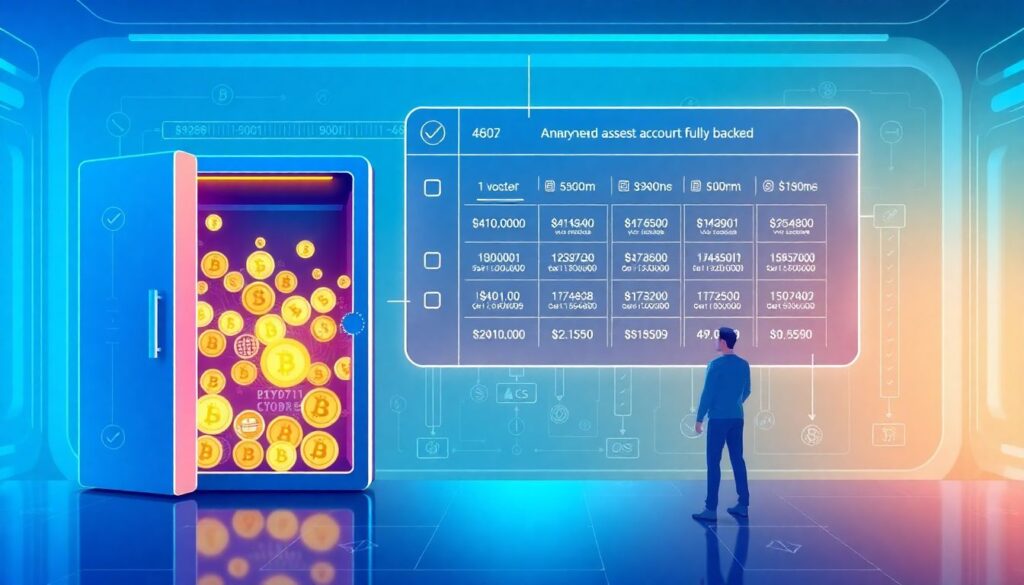
Let’s talk about what “better” looks like in practice without naming brands. Some of the safest cryptocurrency exchanges for holding assets publish cryptographically verifiable proof‑of‑reserves, allowing you to confirm that customer balances are fully backed without revealing everyone’s private data. Others hold the majority of coins in geographically distributed cold vaults, with withdrawal limits from hot wallets that require multiple approvals and time delays. On the user side, proper 2FA, withdrawal whitelists, and device approval systems can block a surprising number of attacks. A solid exchange will also intentionally slow down certain operations—like changing security settings or withdrawing large sums—to give you a chance to spot an intrusion. These are not gimmicks; they are guardrails that assume both software and humans will eventually make mistakes.
If you don’t see any of these layers, assume you’re taking on extra risk.
—
Classic beginner mistakes that cost real money

Newcomers often repeat the same errors, just with different tokens. One big mistake is treating an exchange like a bank account. You deposit everything, trade a bit, then leave your entire stack sitting there because “I’ll move it later.” Weeks turn into months, and then an incident happens or your account is compromised. Another common misstep is chasing the shiniest interface instead of checking fundamentals: licenses, security docs, and reputation among serious users. Beginners also fall for fake “support” contacts in chat apps, handing over credentials or 2FA codes because someone uses the logo and sounds helpful. Add to that overusing leverage on day one, ignoring withdrawal tests to your own wallet, and trusting high‑yield “earn” products you don’t understand, and you have a recipe for painful, avoidable losses.
The painful part is that many people only tighten up after their first scare.
—
Misconceptions that keep people on unsafe platforms
Several myths keep circulating. One is “big exchanges can’t fail; they’re too important.” History says otherwise: size doesn’t cancel math or mismanagement. Another misconception: “if they got hacked, they’ll just reimburse everyone.” Sometimes they do, sometimes they don’t, and sometimes they promise to and later quietly change the story. People also assume that if influencers, YouTubers or friends use a platform, it must be fine. In reality, many promoters are paid, and friends rarely do deep due diligence. Finally, some users believe self‑custody is “too technical,” so they postpone learning forever, unintentionally locking themselves into maximum counterparty risk. The truth is, basic self‑custody with a reputable wallet is learnable in an evening if you approach it calmly and deliberately.
Your future self will thank you for pushing through that small learning curve.
—
A simple framework for picking a safer exchange
Instead of hunting for the mythical “perfect” platform, build a short checklist. First, is the company licensed or supervised anywhere credible, and can you verify it on a regulator’s website? Second, do they clearly explain their custody model, audits and incident history, or do they wave it away with buzzwords? Third, try a small deposit and withdrawal to test speed, support, and any hidden fees. At this stage, doing your own mini best secure crypto exchange for trading review matters more than reading random rankings. Lastly, consider your actual use: if you mainly DCA and withdraw to a wallet, you don’t need the flashiest derivatives engine; stability and safety matter more. Pick a decent option, limit the funds you park there, and commit to moving long‑term holdings into your own custody.
The less you depend on any one exchange, the safer your overall setup becomes.