

Understanding the Role of Cryptocurrency Tax Lot Calculators in 2025
With the exponential growth of decentralized finance (DeFi) and the mainstream adoption of digital assets, accurate tax reporting has become a critical obligation for crypto investors. In 2025, regulatory frameworks across the globe have matured, requiring detailed tracking of every taxable crypto event. A cryptocurrency tax lot calculator is no longer a luxury—it’s a necessity. These tools help users identify specific tax lots, calculate capital gains or losses, and optimize tax strategies under FIFO, LIFO, or HIFO accounting methods. For beginners, understanding and leveraging these tools ensures both compliance and strategic portfolio management.
Why Beginners Should Care About Tax Lot Identification
Tax lot identification allows investors to specify which units of a cryptocurrency they are selling. This is essential because the cost basis—the original value of an asset for tax purposes—varies based on when and at what price the asset was acquired. In 2025, with the IRS and other global tax authorities increasing scrutiny on crypto transactions, misreporting can lead to severe penalties. Using a tax lot calculator gives beginners the ability to automatically track, match, and report their transactions with precision, reducing the stress and risk of manual errors.
Modern Features of Tax Lot Calculators in 2025
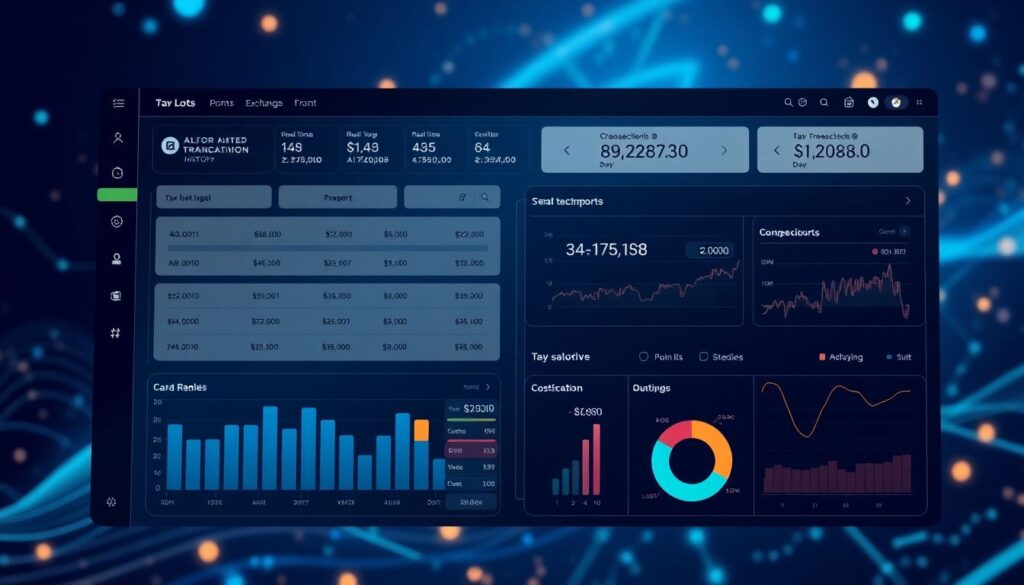
Today’s tax lot calculators are powered by AI and integrated with major exchanges, wallets, and DeFi protocols. These tools automatically import transaction history, classify events (trades, airdrops, staking rewards), and apply tax rules in real time. Some even offer predictive insights to help users choose the most tax-efficient lots before executing a transaction. For example, using the HIFO method can significantly reduce taxable gains in volatile markets.
– AI-powered optimization: Suggests the most tax-efficient lots based on real-time market data.
– DeFi and NFT support: Includes tracking for decentralized protocols and non-fungible token sales.
– Multi-jurisdictional compliance: Adjusts calculations based on local tax laws and international treaties.
Inspirational Use Cases: From Hobbyists to Full-Time Traders
Consider the case of Lena, a freelance designer who began investing in crypto in 2022. By 2024, her portfolio had grown considerably, but she was overwhelmed during tax season. After adopting a tax lot calculator, she discovered that applying the Specific Identification method saved her over $7,500 in capital gains tax by selling high-cost Ethereum lots. Another example is a DAO treasury manager who used batch processing in a tax lot calculator to reconcile thousands of transactions across multiple wallets, maintaining compliance in over five jurisdictions.
Strategic Recommendations for Learning and Growth

Mastering cryptocurrency tax tools requires more than just clicking buttons. Beginners should invest time in understanding tax implications, accounting methods, and regulatory changes. Start by familiarizing yourself with tax terms such as cost basis, holding period, and taxable events. Then, experiment with demo versions of tax lot calculators to simulate different strategies.
– Start small: Use calculators on a limited set of transactions to understand how different methods affect gains.
– Stay updated: Follow tax authorities and crypto regulation news to anticipate changes in compliance requirements.
– Consult professionals: Work with tax advisors who specialize in digital assets for personalized guidance.
Resources for Continuous Learning
The crypto ecosystem is evolving rapidly, and so should your knowledge. Several platforms offer educational content tailored to digital asset taxation. CoinTracker, TokenTax, and Koinly provide not only calculators but also blogs, webinars, and customer support. Additionally, platforms like Coursera and Udemy feature courses on crypto tax fundamentals, while Reddit and Discord communities offer peer support and real-world insights.
– Educational platforms: Look for certified courses on cryptocurrency taxation.
– Open-source tools: Explore GitHub repositories for customizable tax lot calculators.
– Community forums: Join online groups to learn from experienced investors and tax professionals.
Conclusion: Embrace Technology to Empower Your Crypto Journey
In 2025, the intersection of finance and technology has made it possible for even novice investors to manage complex portfolios with confidence. A cryptocurrency tax lot calculator is more than a compliance tool—it’s an essential component of strategic investing. By leveraging modern features and staying informed, beginners can not only avoid costly mistakes but also optimize their returns. The key is to start today, experiment, and gradually build expertise in this critical aspect of crypto asset management.