

Why airdrops attract newbies—and scammers too
Free tokens sound like a cheat code for getting into crypto: you fill a form, click a few buttons, and one morning your wallet shows an unexpected balance. That’s exactly why scammers love airdrops even more than beginners do. They play on FOMO, pushing you to hurry before “the snapshot closes” or “the whitelist is full”. To understand crypto airdrop scams how to avoid them, you first need to accept a simple idea: no legit project needs your seed phrase or full control of your funds to send you free coins. Real airdrops treat you like a future user; fake ones treat you like an exit liquidity button they can press whenever they want, usually hiding their trap in rushed pop‑ups, fake support chats and suspicious links.
Short version: airdrops can be useful, but the “free” part always has a hidden price: time, personal data or risk. Your goal isn’t to run from all airdrops forever; it’s to filter them like a picky recruiter, where almost every project fails the interview and only a few survive your checks.
Necessary tools: your basic safety kit
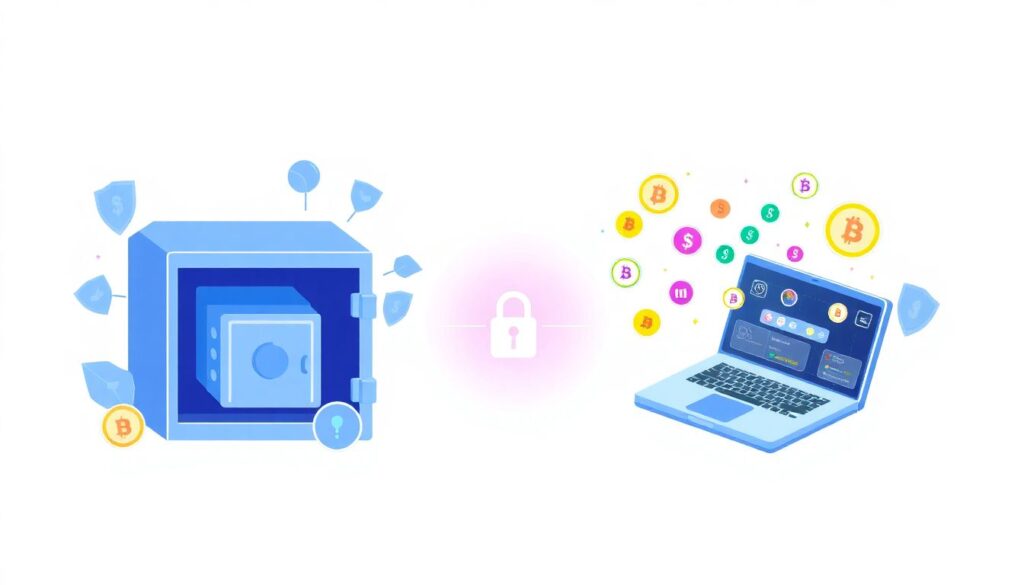
Before you even Google how to safely participate in crypto airdrops, set up a small toolkit. Start with two wallets: one “cold and boring” for real funds and long‑term holdings, and one “throwaway” for experiments and airdrops. That way, if you sign a bad transaction on the test wallet, your main savings stay untouched. Next, install a reputable browser wallet plus a good block explorer bookmarked (not found through search ads). Add a transaction simulator or wallet that previews what exactly you’re signing, instead of just showing “contract interaction”. Finally, build an information filter: follow independent researchers, auditors and communities that call out scams; avoid channels that shill “guaranteed 100x airdrops” every hour.
On top of that, you’ll want a password manager and a way to store seed phrases offline. Screenshots in your phone gallery don’t count as safe storage; they’re more like a public billboard if your device gets compromised.
Step-by-step process: from research to claiming

Think of this as a mini airdrop hunting guide for beginners. First, discover airdrops through project blogs, official X (Twitter) accounts or known aggregators, not random DMs. Check whether the team is doxxed, whether the code is open source, and if any respected people in the space are actually using the product instead of just promoting it. Second, read what the airdrop wants from you: connecting a wallet is normal, but requests for seed phrases, private keys, or “temporary full access” are immediate disqualifications. Third, connect only your test wallet and look at the permissions before approving anything; high‑risk approvals like “unlimited spend” for sketchy tokens are a major red flag. Lastly, after claiming, monitor your wallet; if spam tokens appear, don’t touch them and don’t visit weird URLs in their descriptions.
If something feels rushed or confusing during these steps, pause. Real teams rarely mind if you take a few hours to double‑check; scammers push urgency because delay kills their conversion rate.
Comparing different safety approaches
People usually pick one of three strategies: avoid airdrops completely, chase everything blindly, or follow best practices for safe crypto airdrop participation. The “avoid everything” crowd stays safe but misses genuinely useful distributions, like early users getting rewarded by real protocols. The “YOLO hunters” sign every transaction, bridging funds to random chains, installing shady wallets and clicking unknown links; they might catch a big one, but one smart contract drain can erase all profits and more. The middle path is calmer: you focus on legit crypto airdrops 2025 and beyond by applying a checklist—separate wallets, careful approvals, research on the team, and a strict no‑seed‑phrase policy. You get some wins, avoid most traps, and treat it as a side quest, not a get‑rich speedrun.
In practice, the balanced approach wins long term, because it respects your time and nerves. You’re not glued to every rumor; you’re picking your battles based on clear rules instead of emotion.
Troubleshooting: when something feels off
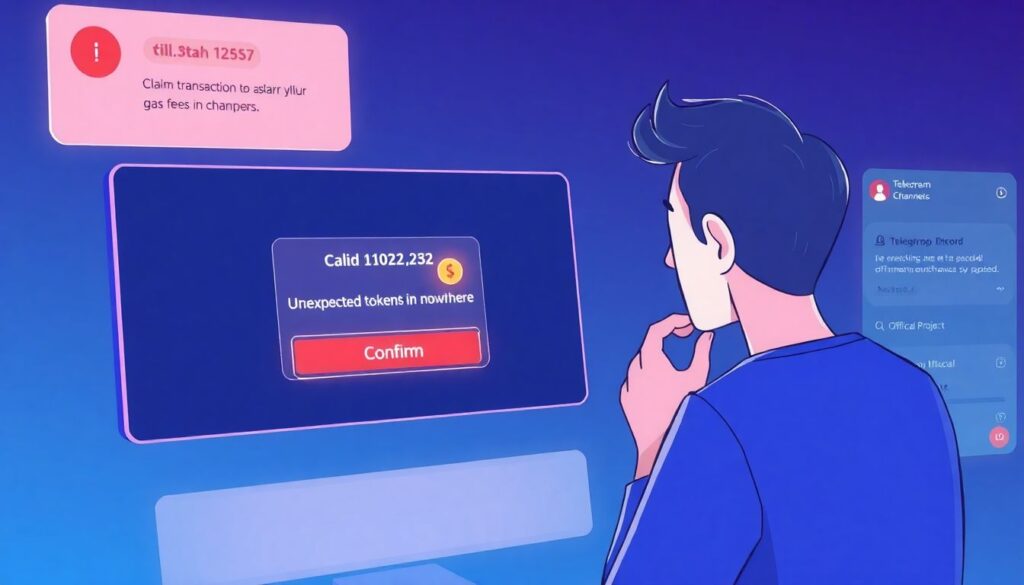
Sooner or later you’ll face a weird situation: a claim fails, gas fees spike, or a token appears out of nowhere. Troubleshooting starts with calm observation. If a claim transaction fails repeatedly, don’t keep spamming “Confirm”; check the project’s official channels to see if they paused the drop or changed details. If gas suddenly becomes huge, maybe the network is congested and it’s cheaper to wait. When unknown tokens land in your wallet, treat them as radioactive: don’t swap, don’t send, don’t add their contracts manually. Many “support” accounts will offer help in DMs, guiding you to phishing sites—ignore them and rely only on links posted by verified project channels. If you suspect you signed something bad, immediately revoke token approvals through trusted tools and move remaining funds from that wallet to a fresh one.
Sometimes the safest “fix” is simply to walk away from a suspicious drop, accept the missed opportunity and treat it as tuition for your crypto education instead of gambling your entire stack.
Bringing it all together for safer participation
By now you’ve seen that how to safely participate in crypto airdrops is less about secret alpha and more about discipline. Use a separate wallet, verify sources, understand what you’re signing and never share private keys—these habits matter more than any single “hot” campaign link. Different approaches exist, from total avoidance to reckless chasing, but the sustainable route sits in the middle: learn, test carefully, and be willing to skip anything that doesn’t pass your checks. Over time you’ll build your own internal radar, spotting inconsistent tokenomics, recycled websites and fake social proof almost instantly. With that mindset, airdrops become one more tool in your crypto journey, not a trap that dictates it, and you can explore new projects while keeping both your funds and your sanity intact.