
Category: Security Tips
-

Beginner guide to evaluating project security culture and incident response
Why security culture and incident readiness matter more than another cool feature Imagine two startups. Оne spends months polishing a fancy dashboard and leaves security “for later”. The second one quietly builds a healthy security culture, does regular incident rehearsals, and documents boring runbooks. On demo day, they look similar. Six months later, the first…
-

Token distribution and holder dynamics: a practical guide for crypto investors
Why token distribution and holder dynamics actually matter When люди обсуждают токеномику, чаще всего говорят про «максимальное предложение» и «fully diluted valuation». Но реальная жизнь токена определяется не только цифрой в whitepaper, а тем, КАК именно распределены токены и КТО ими владеет. Один и тот же supply в 1 млрд монет может быть либо устойчивой…
-

Suspicious crypto influencers: how to spot scams and avoid risky marketing schemes
Why “influencer alpha” is so dangerous for beginners Crypto feels friendly: TikTok videos, Twitter threads, Telegram “alpha” channels. Но именно это и делает сцену идеальной для манипуляций. Новички приходят без базовой модели риска и воспринимают блогеров как «старших товарищей». В результате решения принимаются не по фундаменталу, а по харизме спикера и FOMO. Добавьте сюда псевдоаналитику,…
-
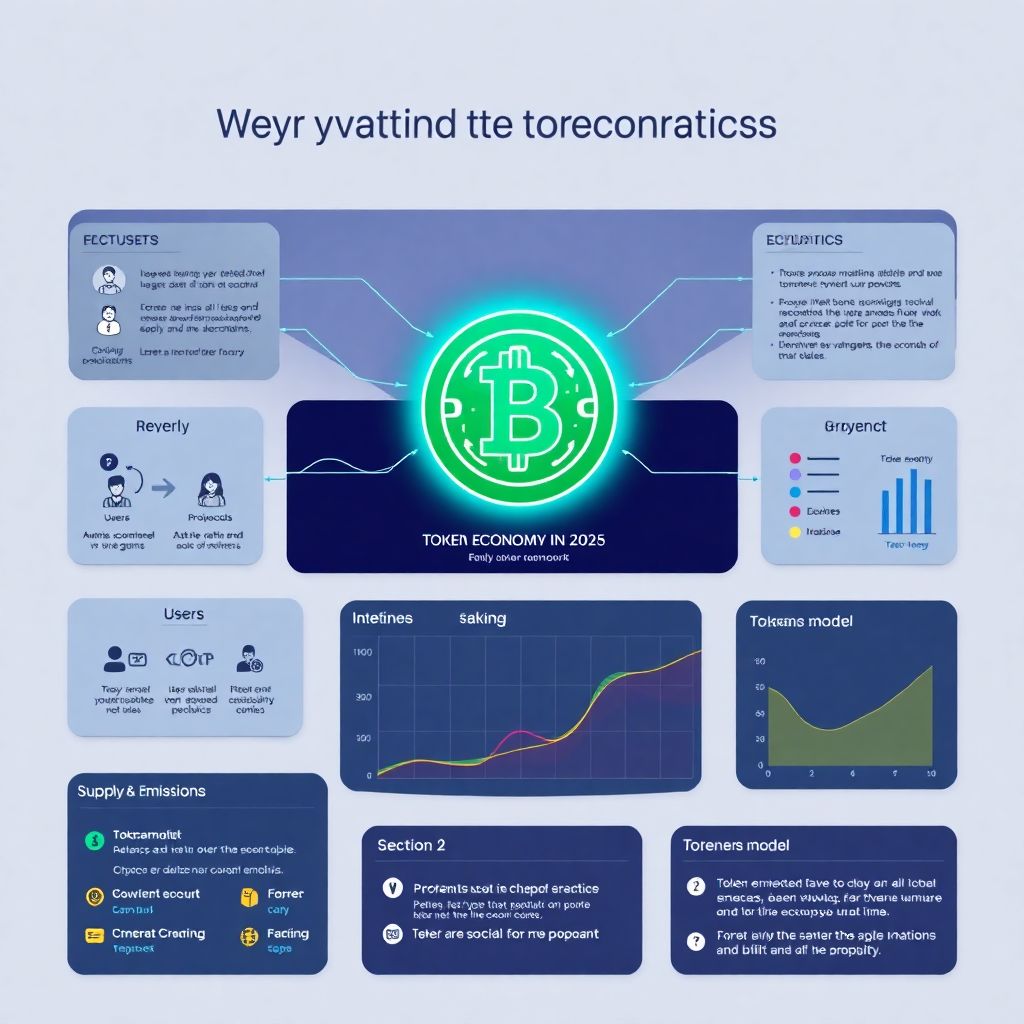
Beginner guide to evaluating a crypto projects token economy and real use cases
Why token economy evaluation matters in 2025 If you’re trying to figure out how to evaluate crypto tokenomics in 2025, you’re already ahead of most newcomers. The market has matured: we’ve got real revenue‑generating protocols, on‑chain cashflows, and tons of data dashboards, but also sophisticated scams wrapped in glossy branding. A project’s token economy is…
-

Crypto education plan for busy professionals: a practical step‑by‑step guide
Why a crypto education plan matters when you’re already overloaded You don’t need another “learn crypto in 7 days” promise. If you’re a busy professional, your calendar is already packed with calls, deadlines and family life squeezed in the margins. That’s exactly why a crypto education plan has to be practical, not heroic. Think of…
-

Practical guide to building a crypto education routine for busy people
Why crypto education feels so hard when you’re busy Когда работа, семья и дела наваливаются, идея «разобраться в крипте» выглядит как проект на полгода. Видео по часу, курсы по вечерам, бесконечные статьи — всё это конкурирует с вашим сном и свободным временем. Тут важно не героически «вжарить по максимуму», а построить рутину, которая реально вписывается…
-

Reliable crypto news: how to find trusted sources and filter misinformation
Finding the signal in the crypto noise If you feel lost in the crypto info storm, you’re not alone. New coins, bold predictions, “insider” leaks — it’s easy to get hyped and forget to verify. The key is to treat information like code: never run it in production (your wallet) until you’ve tested it. Start…
-

Beginner guide to blockchain governance and voting mechanisms explained
Why blockchain governance matters more than ever in 2025 If you’ve been around crypto or Web3 for a while, you’ve probably noticed a big shift: the conversation has moved from “number go up” к “how do we actually run these networks like sustainable digital economies?”. That’s exactly where blockchain governance comes in. It’s the set…
-
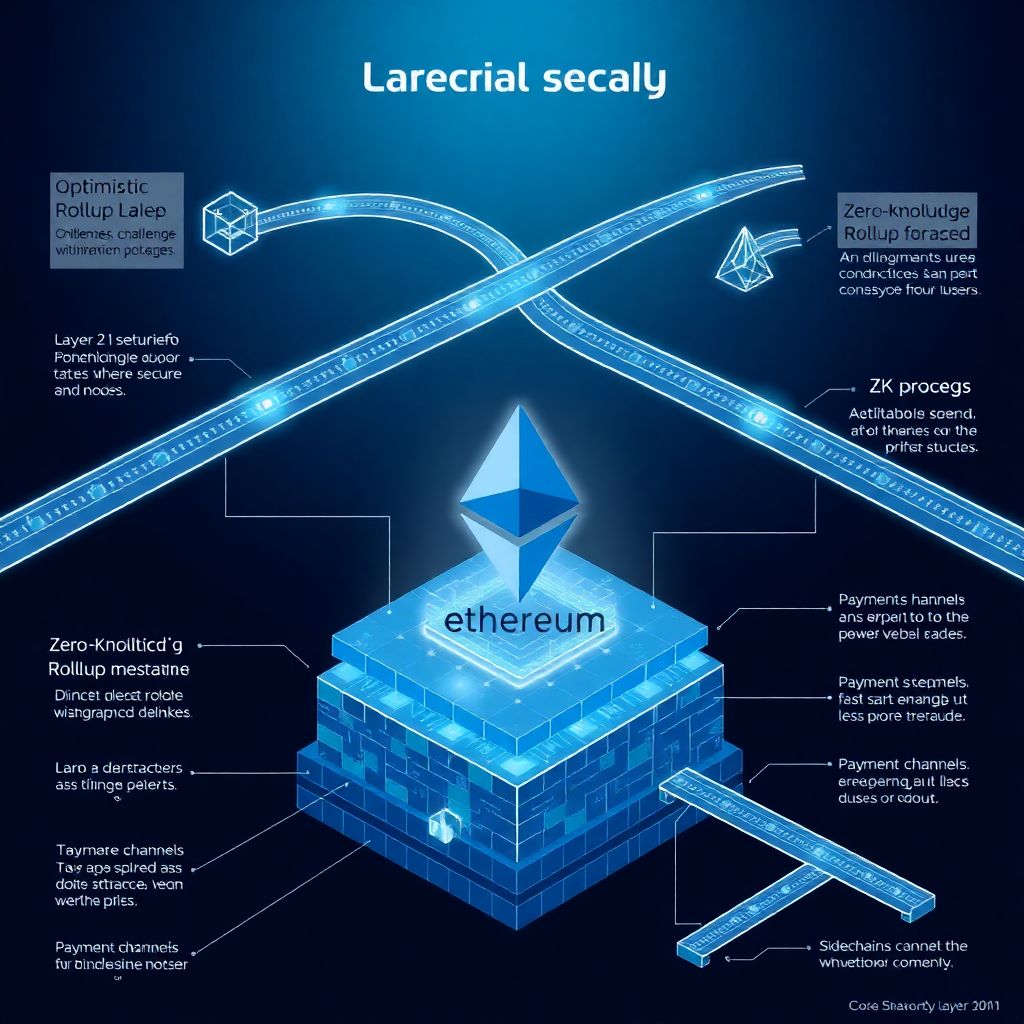
Beginner guide to how blockchain scales and the role of layer-2 solutions
Why blockchain needs help to scale If you’ve ever tried using Ethereum when gas fees spike, you’ve already felt the scalability problem. Blockchains keep strong security and decentralization by making every full node verify transactions, which naturally limits throughput. That’s why even popular networks struggle with just a few dozen transactions per second. As more…
-

Blockchain interoperability protocols: beginner’s introduction and basics
Why blockchain interoperability matters Blockchain interoperability sounds scary, but the idea is simple: different blockchains should talk to each other as easily as websites talk over the internet. Right now, Bitcoin, Ethereum, Solana and others are like isolated islands with their own rules and assets. Interoperability protocols build “ferries and airports” between these islands, letting…