

Setting the stage: why regulation matters
When you start trading crypto, it’s tempting to focus only on charts and signals, but the real risk often hides in the rulebook. Laws define what you’re allowed to do, how platforms may operate, and what happens if things go wrong. Robust crypto regulation for traders is not just about governments “cracking down”; it also decides whether you can recover funds after a hack, how disputes are handled, and whether your exchange suddenly blocks withdrawals. Ignoring this layer is like driving fast without bothering to learn road signs.
Historical background of crypto regulation
Early days: from cypherpunks to courtrooms
In Bitcoin’s early years, regulators mostly watched from the sidelines. Crypto looked niche, almost experimental, so enforcement focused on obvious abuse like money laundering and darknet markets. That changed once exchanges began handling serious volumes and retail traders piled in. Court cases over unregistered securities, unlicensed money services, and fraud pushed authorities to react. Step by step, governments moved from treating crypto as a legal anomaly to building basic cryptocurrency trading legal requirements, often by stretching existing financial rules to fit this new asset class.
From ICO boom to global frameworks
The ICO bubble around 2017 forced regulators to confront a flood of token sales masquerading as “utility” while behaving like securities. Many projects faced fines or delistings, and some founders ended up in court. This period triggered clearer classifications: is a token a commodity, security, or something hybrid? Different answers appeared in the US, EU, and Asia, but one pattern emerged: if you raise money from the public with profit promises, expect securities law. Today, global bodies like FATF shape standards on KYC and travel rules that local regulators adapt into their own regimes.
Basic principles every trader should know
Licensing, KYC/AML and market integrity
Most countries now expect trading venues to be licensed or at least registered, even if rules differ widely. That’s why serious platforms ask for identity documents and proof of address before letting you trade meaningfully. These know-your-customer and anti–money laundering procedures are not random harassment; they are core pillars of how to comply with crypto trading regulations. They also filter out some fraud. For traders, the key is checking where a platform is incorporated, which regulator oversees it, and what specific permissions it holds, not just whether the website looks polished.
Taxation and reporting duties
Tax is the unglamorous part of trading, but it’s often where people get burned. Many jurisdictions treat crypto as property or an investment asset, which means trades, swaps, and even using coins to buy goods can be taxable events. A sensible crypto trading tax and compliance guide will suggest tracking every trade: entry price, exit price, fees, and timestamps. Newcomers frequently assume “no bank, no tax,” yet authorities now receive data directly from major exchanges. Failing to report gains may not hurt immediately, but it compounds risk with every profitable year you leave unreported.
How rules work in practice
Choosing the best regulated crypto exchanges
When picking a platform, beginners usually chase low fees and a flashy interface, but seasoned traders start with regulation. The best regulated crypto exchanges typically publish license numbers, name their supervisory authority, and provide clear terms on custody, segregation of client funds, and dispute resolution. Check whether the exchange is allowed to serve your country or simply “doesn’t block” you. If a venue has been fined or banned elsewhere, tread carefully. Regulation does not guarantee safety, yet it creates a framework that makes audits, compensation schemes, and legal recourse much more realistic.
Daily habits: how to comply with crypto trading regulations
Compliance becomes manageable when you bake it into your routine rather than treat it as a yearly chore. Start by using real identity data on regulated platforms; fake documents or VPN tricks can backfire when you try to withdraw. Keep exported trade histories and statements in one place, ideally backed up. Align your activity with the rules in your country of tax residence, not just where the exchange is based. Over time, these habits turn into a personal system that quietly handles most regulatory friction in the background while you focus on strategy.
Frequent misconceptions and rookie mistakes
Myths that get traders in trouble
New traders often repeat the same dangerous myths: “crypto is anonymous,” “small amounts don’t matter,” or “if the exchange lets me do it, it must be legal.” In reality, blockchain analysis makes many transactions easier to trace than cash, and regulators increasingly require exchanges to share data. Another trap is copying influencers who ignore rules in their own jurisdictions. Many beginners confuse platform rules with law, forgetting that exchanges may allow leveraged products or tokens that their country quietly prohibits. Assuming that no warning equals permission is one of the costliest beginner mistakes.
Practical checklist for staying onside
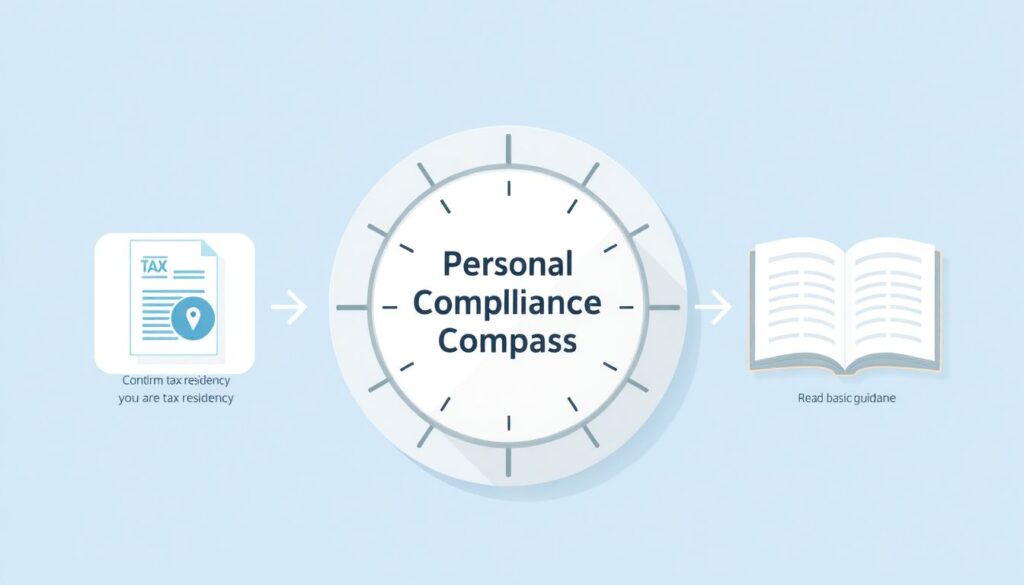
To keep things grounded, you can treat regulation like a repeatable process rather than a mystery. Use this simple framework as your personal compliance compass and adapt it as your capital and strategies grow over time.
- Confirm which country you’re actually tax resident in and read its basic guidance on crypto.
- Trade primarily on venues that are openly supervised and clearly state their licenses.
- Log every trade and transfer; use software if manual tracking becomes overwhelming.
- Review at least once a year whether your activity still fits local rules and risk limits.
- If unsure, spend on qualified advice before size grows, not after regulators knock.