

Why transparency and accountability matter in 2025
In 2025, investors, regulators and even AI-driven rating platforms dissect projects in real time. Social networks, open data and Web3 analytics make it hard to hide weak governance or fuzzy numbers. Transparency and accountability are no longer “nice to have” — they directly affect access to capital, hiring, and reputation. This beginner guide will walk you through a simple, practical way to read a project’s signals, even if you’re not a professional auditor or lawyer. Think of it as learning to “debug” a project before you commit money, time or your name.
Core ideas: what you’re actually checking
At a basic level, a transparent project lets you see who is in charge, how decisions are made, where the money goes and how results are measured. Accountability means someone is clearly responsible when things go off track, and there are mechanisms to detect and correct problems. In practice, you’re checking three layers: information (is data accessible and understandable), processes (are there rules and do people follow them) and behavior (how the team reacts to scrutiny, criticism and failure). When all three line up, risk drops sharply.
Necessary tools: your 2025 starter kit
You don’t need a forensic team to start; a small set of digital tools covers most cases. Begin with document access: a reliable PDF reader, version-control viewers like GitHub or GitLab, and a cloud drive to organize what you find. Add web archive tools to check how sites and whitepapers changed over time. In finance or Web3-heavy projects, use block explorers and analytics dashboards to trace money flows. Many project transparency assessment services now bundle these features into one interface, combining open data, AI models and basic red-flag detection for non‑experts.
Analytical tools and signals you shouldn’t skip
In 2025, AI-based “credibility scanners” can quickly summarize terms of service, tokenomics or governance docs, highlighting missing details or contradictions. They’re not judges, but great highlighters. Use news and social monitoring platforms to see how often the project appears in independent media versus paid promotions. For environmental or social claims, check ESG data portals or watchdog NGO databases. The best tools to measure project accountability and transparency also integrate whistleblower statistics, legal filings and code release frequency, which together create a surprisingly rich behavioral profile.
Step-by-step process: map the information first
Start with the public footprint. Open the project website, documentation hub, whitepaper or pitch deck and official social channels. Your first question is simple: can you form a clear picture of what the project does, who it serves and how it makes money within fifteen minutes? If not, the problem may be either complexity or deliberate fog. Save all documents in your folder, log dates, and use AI summaries for an overview. This “mapping” phase gives you a baseline before you dive into details like governance, finances or impact metrics.
Governance: who decides what, and how?
Now switch to structure and decision‑making. Look for an org chart, founding team bios and any description of committees, boards or DAOs. A solid governance section names people, roles, term limits and conflict‑of‑interest rules. If a project uses tokens or on‑chain voting, check whether voting power is concentrated or spread out. Many teams now rely on project governance and transparency consulting firms to design these systems; if such a firm is named, you can usually find its methodology online. Ambiguity around who can change core rules is one of the biggest early warning signs.
Money flows: follow the incentives
Next, trace how resources move. For startups and non‑profits, look at funding rounds, grants, major donors and large contracts. For blockchain projects, use explorers to see treasury wallets, vesting contracts and distribution to team and investors. You’re hunting for alignment: do insiders have lock‑ups, is there a vesting schedule, are big expenses explained? In 2025, regulators pay close attention to sudden token unlocks and opaque related‑party payments, and so should you. Clear diagrams of budgets, revenue streams and runway, with dates and assumptions, speak volumes about both discipline and honesty.
Performance and reporting: do they measure what matters?
Once you understand structure and money, examine how the project tracks results. Serious teams set explicit KPIs, update dashboards regularly and discuss missed targets in plain language. Monthly or quarterly reports should include methods, not just pretty charts. Accountability and transparency audit for projects typically checks whether numbers can be tied back to raw data and whether methodologies are stable over time. If metrics change constantly or old reports disappear, treat it as a red flag. Good projects keep a visible, versioned history of their own learning curve and mistakes.
How to evaluate project transparency for investors
If you’re an investor, you care not just about ethics but about asymmetry of information. Ask yourself: would a new minority investor in twelve months be able to reconstruct what I know today? That’s the essence of how to evaluate project transparency for investors in a noisy 2025 market. Review investor updates, data rooms and risk disclosures; compare what’s shared privately with what’s on the website. Large gaps — especially when fundraising is active — suggest selective storytelling. Consistency across pitch decks, financial models and regulatory filings is a strong positive signal.
When to bring in external help
At some point you’ll hit the limits of your own expertise, especially with complex regulatory or technical topics. This is where specialized project transparency assessment services and boutique audit firms enter the picture. They combine legal, financial and technical analysis, and many now use sector‑specific AI models tuned on enforcement cases and fraud patterns. For larger checks, especially before significant capital commitments, consider commissioning an independent accountability and transparency audit for projects in your portfolio. The cost is often trivial compared to the downside of a single opaque failure.
What modern consultants actually do
Project governance and transparency consulting has changed a lot since the early 2020s. Consultants no longer just draft policies; they run simulations of decision‑making scenarios, test treasury resilience under stress and model how information spreads through communities. Some firms integrate real‑time dashboards into a project’s stack, turning governance rules into living, monitored systems. For a beginner, this can sound intimidating, but the upside is that you can lean on their frameworks: request their checklists, methodology summaries and sample reports, then adapt the most relevant parts to your own smaller‑scale evaluations.
Troubleshooting: common red flags and what to do

Even good projects stumble, so the key is distinguishing growing pains from structural opacity. Watch for patterns: repeated delays in publishing reports, unexplained departures of senior people, aggressive reactions to reasonable questions, or sudden changes in tokenomics or ownership structure. When you spot something, start by documenting it with screenshots and dates. Then ask for clarification in writing, ideally through an official channel. If answers are vague, defensive or contradict earlier statements, downgrade your trust level. In 2025, ignoring early smoke signals is the fastest way to end up in a crisis thread.
How to respond when information is missing
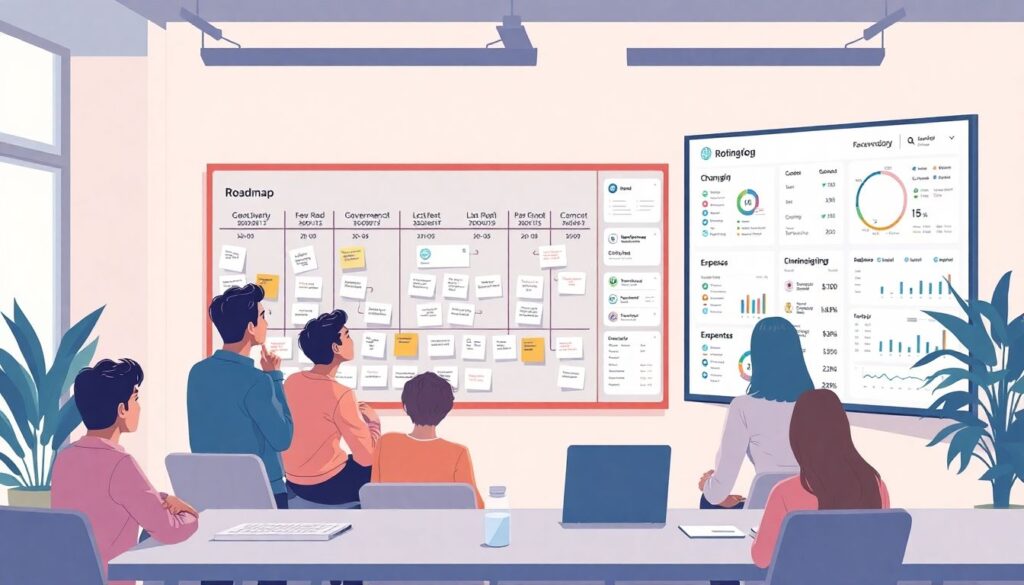
Sometimes the issue is not bad behavior but immature processes. If you like the core idea yet see gaps, suggest concrete, lightweight fixes: a public roadmap with quarterly checkpoints, a changelog for governance docs, or a simple expense dashboard. Many teams respond well to this, especially in early stages. When the stakes are higher, propose a limited‑scope external review or join forces with other stakeholders to request one of the best tools to measure project accountability and transparency that fits the context. If resistance is absolute, consider exiting or reducing exposure.
Building your own simple evaluation checklist
Over time, turn this guide into a short, personal checklist you can run through in an hour: clarity of mission; named responsible people; documented decision rules; visible money flows; consistent metrics and archives; healthy response to criticism. Keep it updated with new 2025 trends like AI‑generated disclosures, deepfake endorsements or synthetic team photos — all of which already show up in due‑diligence cases. The goal is not perfection but pattern recognition: with practice, you’ll spot projects where transparency is part of the culture, not a marketing afterthought, long before glossy campaigns try to convince you otherwise.