

Most parents don’t want to become full‑time traders, they just don’t want to feel clueless when their kids mention Bitcoin or NFTs. This guide is about building a realistic crypto education plan that fits into a life of school runs, deadlines and dishes, not about turning you into a day‑trader overnight.
—
Why busy parents should care about crypto education in 2025
Over the last three years crypto quietly moved from “geek hobby” to “normal dinner‑table topic”. According to Chainalysis and Triple‑A estimates, global crypto users grew from roughly 300–320 million in 2022 to more than 500 million by late 2024. Surveys from 2023–2024 show a sharp age gap: in the US and Europe, around 30–40% of people under 30 report owning or having tried crypto, but under 10–15% of those over 45 feel confident explaining how it works. That means many teenagers now know more about digital assets than their parents do. Add to this the rise of tokenized game items, blockchain‑based rewards apps and stablecoins in remittances, and you get a simple conclusion: even if you never invest a cent, basic crypto literacy is quickly becoming part of general financial literacy.
For parents, there’s another angle: kids already meet crypto in games, social media and YouTube. If you’re not informed, it’s hard to spot scams, unsafe apps or unhealthy risk‑taking. In 2022–2024, regulators in the UK, EU and US repeatedly warned about under‑18s being targeted by “get rich quick” trading groups on Telegram and TikTok. A minimal “house policy” on crypto is easier to set when you actually understand wallets, exchanges and the difference between investing and gambling. So a crypto education plan is less about chasing the next meme coin and more about protecting your family, making measured decisions and modelling critical thinking about new technologies.
—
What a realistic crypto education plan looks like
A practical plan for busy parents has three pieces: core concepts, safe practice and ongoing updates. You’re not building a PhD curriculum; you’re designing something that fits into 2–3 hours a week for a couple of months. Core concepts cover what money is, how blockchains work in plain language, what gives cryptocurrencies value and why volatility is so extreme. Safe practice means learning to set up a wallet, recognize phishing, understand fees and test simple transactions with tiny amounts or simulators. Updates are about having a low‑effort way to stay current as regulations and tools change, so that your knowledge doesn’t go stale after one intense month of learning.
The other ingredient is boundaries. Decide early what you will not do: for example, “no leverage, no meme coins, no borrowing to invest”. When you later dive into cryptocurrency investing for busy parents, these guardrails will reduce stress and decision fatigue. A simple written rule‑set pinned on the fridge does more for your financial safety than memorizing another technical indicator ever will.
—
Comparing learning approaches for busy parents
Self‑paced online courses
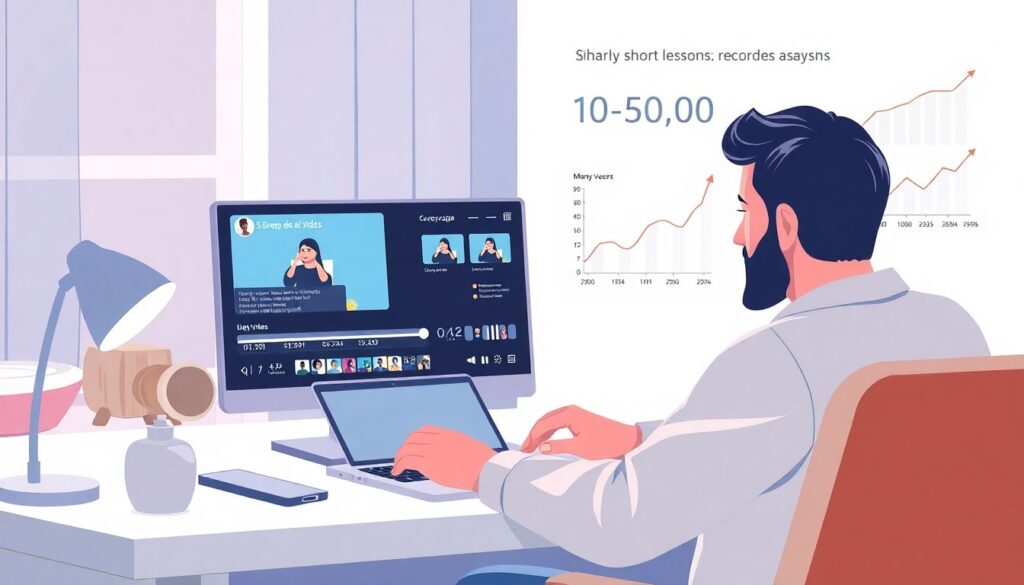
Self‑paced video courses and recorded workshops are the most flexible option. You watch 15–20 minute lessons whenever kids are asleep, and you can rewatch the tricky parts. Over the last three years, demand for this style exploded: some large platforms report crypto course enrollments growing 2–3x between 2021 and 2024, with completion rates higher for short, modular lessons than for massive, 20‑hour marathons. The main downside is isolation: no one checks your homework, and you can drift into passively consuming content without actually applying anything. For many parents, the ideal form is a short crypto education for parents course that explicitly mentions family budgeting, risk limits and kid‑friendly explanations instead of assuming you’re a single 22‑year‑old degenerate trader.
The key question for you: do you realistically sit down alone to learn, or do you need someone nudging you? If your usual pattern is “buy courses, never open them”, self‑paced might not be honest for you, even if it looks efficient on paper.
Cohort‑based and live workshops
Cohort‑based courses bundle short lessons with live calls, Discord or WhatsApp chat and fixed deadlines. In 2022–2024, this format grew popular in tech and finance education because completion rates can be 20–30 percentage points higher than pure self‑paced. For parents, the social aspect matters: you hear how other families talk with kids about crypto, how they set rules for in‑game currencies and what mistakes they regret. The drawback is scheduling. Live calls at 7 p.m. London time might be bedtime chaos in your house. When evaluating programs, look at call recordings, async Q&A and timezone‑friendly options, rather than just shiny marketing promises about “intense bootcamps”.
Micro‑learning and “five‑minute a day” apps
Another approach is micro‑learning: bite‑sized explanations, quizzes and flashcards you can do while waiting at the pediatrician. Data from EdTech platforms between 2022 and 2024 show that micro‑learning significantly increases the total number of sessions but doesn’t automatically lead to deeper understanding; people remember vocabulary but struggle to apply concepts. These tools shine when used as a supplement: after a heavier video or article, you review key ideas with a quick quiz. For overwhelmed parents who feel “too tired to learn”, this might be the only gateway that feels psychologically light enough to start.
Learning together as a family
Finally, there’s a rarely discussed option: online crypto classes for families, where parents and older teenagers attend together. This model is still niche, but interesting. When kids are 13+, they often drive the curiosity, while parents bring the skepticism. Joint classes can turn “mom doesn’t get it” into a joint experiment: you explore wallets or blockchain explorers side by side, with guided discussion about scams, ethics and long‑term thinking. The risk is that kids may be more susceptible to hype, so the instructor must balance excitement with caution. Done well, though, this format helps close the generational gap around digital money.
—
Technologies you’ll meet: pros and cons for parents
At some point your learning plan stops being theory and starts involving actual tools: educational platforms, demo trading apps, software and hardware wallets, portfolio trackers and news aggregators. Each category has its pluses and minuses. Education platforms with built‑in sandboxes or test networks are safer than throwing beginners straight into live exchanges; using a simulated environment lets you practice placing orders, checking fees and cancelling trades without risking rent money. The downside is that simulations can feel “too safe”, so people underestimate how emotional real gains and losses feel and later overtrade when real money enters the picture.
Wallets are another key technology. Browser‑based and mobile wallets are convenient, especially when you want to demonstrate small transactions to teens, but they increase the attack surface: kids can accidentally sign malicious links, or malware can drain funds. Hardware wallets are safer for significant amounts but harder to explain and use fluently. Over the last three years, phishing and wallet‑draining scams have grown in sophistication, often mimicking official websites and support emails; regulators in 2023–2024 repeatedly flagged social‑engineering as the dominant loss vector. For a family plan, the pragmatic compromise is: start with a reputable mobile wallet holding tiny sums for learning, then move any meaningful holdings to a hardware wallet once you feel comfortable.
—
Step‑by‑step plan: from zero to confident beginner
If you’re wondering how to learn crypto trading step by step without blowing up your schedule, think in weeks, not days. Week one is pure orientation: understand what blockchains do, why Bitcoin exists, and how crypto differs from stock investing. Week two is about infrastructure: opening accounts on a regulated exchange in your country, passing KYC, setting up two‑factor authentication and creating your first wallet. You still don’t need to buy anything more than symbolic amounts; the focus is on process, not profit. Weeks three and four can introduce basic strategies: dollar‑cost averaging small sums, understanding stablecoins, spotting obvious scams and reading fee structures.
For parents who want structure, a dedicated crypto education for parents course can compress this into a clear path with guardrails and Q&A. After the first month, you shift from “learning everything” to “maintaining a lightweight routine”: once a week you scan news from a couple of trusted sources, once a month you review your small crypto allocation within your broader household finances, and once a quarter you revisit your rules. Treat this like learning to drive: the exam is just the beginning; real confidence comes from calm, repeated practice under changing conditions.
—
Choosing the right learning program or resources
The “best crypto training program for beginners” is less a universal list and more about fit: your time budget, risk tolerance and learning style. Before paying for anything, ask three blunt questions. First, how does this provider make money? If they earn mainly from affiliate links to specific exchanges or coins, expect bias. Second, how much of their content is about risk management, taxes and security versus “next big opportunities”? A trustworthy beginner program in 2025 should devote at least as much attention to protecting capital as to growing it. Third, is there any mention of regulators, consumer protection and jurisdiction‑specific rules? If not, the course may be recycling old hype from the 2021 bull run.
For many parents, a hybrid path works best: one structured program to build foundations, plus a couple of high‑quality newsletters or YouTube channels for ongoing updates. Pay attention to whether the instructor can explain volatility, leverage and on‑chain risks in straightforward language without hand‑waving. Over the last three years, retail investors who blindly followed influencers into high‑yield “staking” and opaque DeFi projects were disproportionately hurt by collapses like Terra/Luna and several centralized lenders; learning to ask “where does the yield come from?” is now a non‑negotiable skill, not a nerdy detail.
—
Investing vs speculation: setting family‑level rules

Once you understand the basics, the next decision is whether and how to invest. Statistics from surveys between 2022 and 2024 show that a large majority of small retail participants underperform simply holding Bitcoin or a broad crypto index, mainly because they trade too often and chase pumps. For parents, the emotional cost of this behaviour is higher: money lost in speculative bets is money not available for school trips, emergencies or retirement. A simple, boring approach like allocating 1–3% of your total net worth into a few major assets and rebalancing once or twice a year has historically reduced regret while still maintaining upside exposure.
This is where a plan beats vibes. Write down your maximum allocation, what events would make you sell (for example, major regulatory bans, life emergencies, or hitting a target percentage of your net worth), and what you promise not to touch—no margin trading, no “all‑in” on new launches, no copying strangers’ trades from social apps. Discuss these rules with your partner and, if age‑appropriate, with older kids. Framing crypto as a long‑term experiment inside a disciplined household budget helps prevent it from turning into a secret, emotionally charged hobby.
—
2025 trends that matter for parents
Looking at the data from 2022–2024, several trends define the 2025 landscape. First, regulation is tightening. The EU’s MiCA framework starts biting, major Asian hubs are formalizing licensing regimes, and US agencies are steadily forcing centralized players to choose between transparency and exit. For families, this means reputable exchanges will look more like banks—more ID checks, safer custody, clearer reporting. That’s mildly inconvenient but ultimately good for non‑expert users. Second, stablecoins and tokenized assets are spreading into everyday apps: remittance services, neobanks and even some educational platforms experiment with blockchain rails in the background. Your kids may use crypto‑powered services without realizing it, making conceptual understanding even more relevant.
Third, education itself is becoming more integrated. Some personal finance platforms now bundle crypto primers directly into budgeting apps, and several EdTech startups are piloting family‑friendly modules that combine basic coding, blockchain logic and digital citizenship. This blurs the line between a traditional investing course and a modern digital‑skills program. Finally, AI is entering the scene: adaptive tutors can already customize explanations of wallets or smart contracts to your level and time constraints, but they also make scams more persuasive via deepfaked “experts” and personalized phishing. The net effect is that critical thinking, source‑checking and scepticism become as central to crypto education as private keys and block explorers.
—
Putting it all together

To make progress, you don’t need to binge half the internet. Choose one beginner‑friendly resource, set a small weekly time slot, and agree on family rules before moving any meaningful money. Crypto will keep evolving, but the core skills you build—understanding risk, asking hard questions about incentives, staying calm in volatile markets—age much more slowly than any specific token or app. If you treat your learning plan like a long‑term investment in your family’s digital literacy, the next hype cycle will feel less like a storm and more like weather you know how to dress for.
Комментарии